



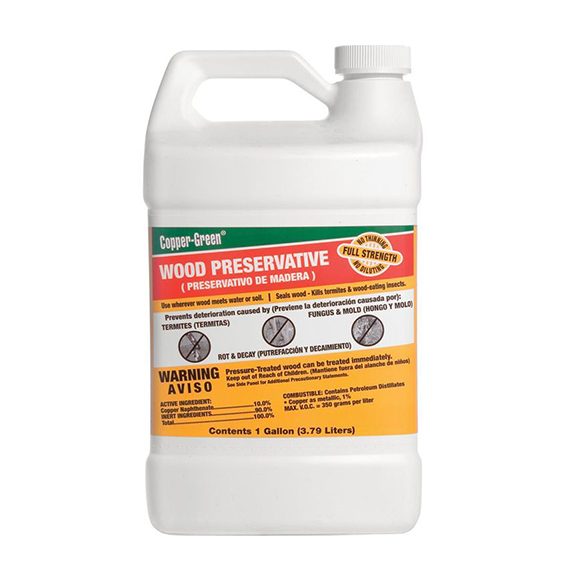
Wood preservatives
Green Port wood preservatives are designed to protect wood from the harsh conditions found in aquatic environments, such as high humidity, saltwater exposure, and marine pests like termites, fungi, and bacteria. Wood preservatives help extend the lifespan of wood used in boats, piers, docks, and other marine structures
Features of Wood Preservatives
Protection Against Marine Organisms
The preservatives prevent damage from marine pests, such as shipworms, marine borers, fungi, and bacteria, which can deteriorate wood when left untreated. Some preservatives also have biocidal properties that discourage the growth of algae, Mold, or mildew.
Long-Term Protection
Marine wood preservatives are designed for long-term use, often offering years of protection with minimal maintenance required. Some formulations provide up to 5-10 years of effectiveness, reducing the need for frequent reapplication.
Water Resistance
Marine wood preservatives are formulated to protect against water absorption, which can cause wood to rot, swell, or weaken over time. These preservatives often create a waterproof barrier on the surface of the wood, reducing the risk of water penetration.
Aesthetic Preservation
Many wood preservatives for marine applications also help maintain the natural appearance of wood, preventing unsightly stains or discoloration caused by moisture or algae growth.
Increased Resistance to Cracking and Splitting
These preservatives help the wood maintain its flexibility, preventing cracks and splits that could occur due to exposure to moisture cycles, sun, and temperature fluctuations.
Aesthetic Preservation
Ease of Application- Marine wood preservatives can often be applied through brushing, spraying, or dipping, making them versatile for different wood types and structures. Some preservatives come in ready to use formulations, while others may require dilution before application.
Non-Toxic and Environmentally Friendly Options
There are modern, non-toxic preservatives designed to be safe for marine ecosystems. These are preferred in areas with sensitive wildlife or aquatic habitats. Traditional preservatives like creosote and copper-based products may be harmful to marine life, so alternatives like copper-amine or organic treatments are often used.
Enhanced Durability
Marine wood preservatives increase the wood’s resistance to wear and tear, including damage from physical impacts or abrasion, which is common in boats or marine structures. They also help maintain the integrity and appearance of wood in harsh outdoor conditions.
Wood Preservatives are essential for extending the life of wood structures exposed to harsh environmental conditions, offering protection against water damage, marine organisms.


