


Protective Coatings
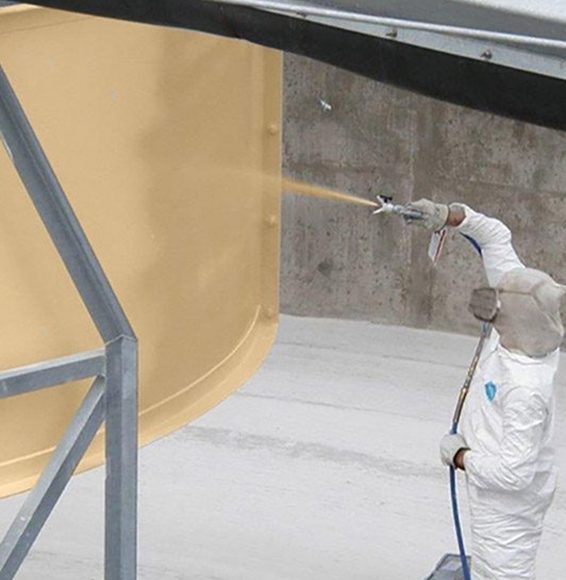
Protective Coatings for marine environments are critical to ensure the longevity, durability, and safety of ships, boats, offshore structures, and marine equipment. Protective Coatings are designed to withstand harsh conditions. Protective coatings for marine environments are critical in preventing corrosion.
Features of Protective Coatings
Anti-fouling Properties
Anti-fouling Properties-These coatings help prevent the growth of marine organisms like algae, barnacles, and mussels on the hull of ships and underwater structures. This reduces drag, improves fuel efficiency, and prevents structural damage.
Chemical Resistance
Marine environments often involve exposure to chemicals, fuels, oils, and solvents. High-quality protective coatings should be resistant to these chemicals to prevent degradation.
Thermal Stability-
The coatings must endure varying temperatures, especially in areas subject to both cold water and warmer air conditions. This ensures that the coating does not degrade or lose its protective properties.
Anti-slip Properties
Some marine coatings include additives to provide anti-slip features on deck surfaces, improving safety for crew members.
Abrasion and Impact Resistance
Marine coatings are designed to be tough and resistant to physical damage such as scratches, abrasions, and impacts from debris or environmental factors.
Waterproofing
Coatings must create a barrier that prevents water from penetrating metal or wood surfaces, which helps to prevent rust and rot.
UV and Weather Resistance
Protective coatings need to withstand prolonged exposure to ultraviolet (UV) radiation from the sun, as well as harsh weather conditions, including rain, snow, and temperature extremes.
Anti-static Properties
Some coatings are designed with anti-static properties to prevent the buildup of static electricity, which can be dangerous in certain marine applications.
Durability
Marine coatings are designed for long-lasting performance, minimizing the need for frequent maintenance and touch-ups in harsh marine environments.
Environmental Safety
With increasing environmental regulations, coatings are also designed to be environmentally friendly, reducing harmful emissions and the use of toxic chemicals, such as lead and chromates.
Aesthetic and Colour Retention-
Protective coatings not only preserve the structural integrity of marine assets but often also help in maintaining the aesthetic appearance, with color retention features that resist fading from UV exposure.
Ease of Application
Many marine coatings are designed for easy application, whether they are sprayed, rolled, or brushed on. Fast curing and ease of maintenance are key considerations.
These features collectively ensure that marine coatings enhance the longevity, efficiency, and safety of ships, offshore platforms, and other marine structures.


