



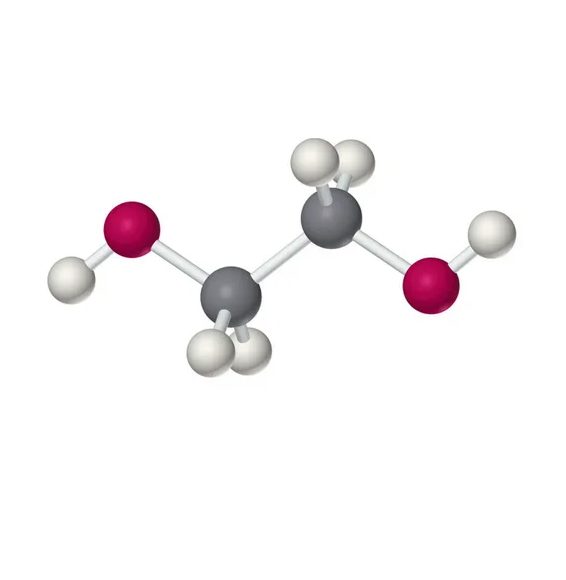
Ethylene Glycol
Ethylene Glycol commonly used in marine applications as an antifreeze and coolant in closed-loop cooling systems. Ethylene Glycol helps to lower the freezing point and increase the boiling point of the coolant. Ethylene Glycol used in marine engines to protect the engine from damage due to extreme temperatures.
Features of Ethylene Glycol
Low Toxicity
While ethylene glycol is toxic in large quantities, it is less toxic than other antifreeze chemicals like methanol. However, precautions should still be taken to prevent environmental contamination and leaks in marine settings.
Non-Flammable-
Ethylene glycol is non-flammable, which adds a level of safety in the event of system leaks or malfunctions in the marine environment.
Non-Volatile and Stable
Ethylene glycol is stable and does not evaporate easily at high temperatures, which is essential for marine systems where consistent performance is required. Its stability means it can last longer between replacements, reducing maintenance costs.
Anti-slip Properties
Antifreeze Properties- Ethylene glycol has a low freezing point, making it an essential component for preventing freezing of coolant in marine engines and systems in colder climates. It is commonly used in closed-loop cooling systems for engines, heat exchangers, and other essential machinery.
Abrasion and Impact Resistance
Heat Transfer Efficiency- Ethylene glycol has excellent heat transfer properties, enabling efficient heat dissipation in marine engines and other systems. It helps maintain engine temperatures within optimal operating ranges by preventing overheating.
Waterproofing
Corrosion Inhibition- When used with additives, ethylene glycol can help prevent corrosion in engine cooling systems, heat exchangers, and other metal components in marine applications. It protects aluminium, copper, and brass components from rust and corrosion, which is crucial in marine environments.
Durability
Compatibility with Seawater-Ethylene glycol is used in conjunction with seawater-based cooling systems in many marine vessels. It helps reduce the risk of scale and salt buildup, which could otherwise hinder efficient heat exchange.
Environmental Safety
Environmental Considerations- Ethylene glycol is biodegradable, but it can be harmful to aquatic life in large quantities. Marine systems must be carefully monitored to prevent leakage into the environment.
UV and Weather Resistance
Lubrication for Pump and Seals- When used in cooling systems, ethylene glycol also provides lubrication to water pumps and seals, ensuring proper functioning and reducing wear and tear on components.
Anti-static Properties
Prevents Cavitation and Boiling- Ethylene glycol helps prevent cavitation (the formation of vapor bubbles) and boiling within cooling systems, ensuring consistent engine performance and preventing damage.
Ethylene glycol is an essential chemical in maintaining efficient and safe operation for marine engines and cooling systems, offering protection against freezing, corrosion, overheating, and component wear.


