



Spill Kit is a critical piece of safety equipment used to contain and clean up hazardous substances, such as oil, that may leak or spill in the field. Spill Kit typically includes various items designed for different types of spills. Oilfield Spill Kits are usually customized based on the type of materials being handled and the potential size of the spills.
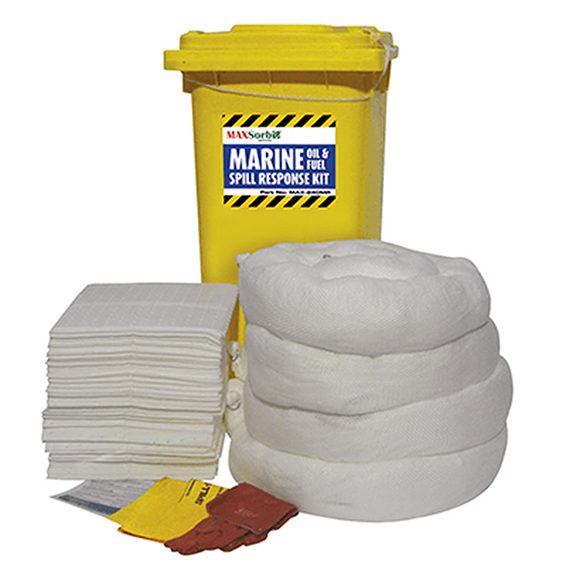
Features of a spill kit
Types of Spill Kits
Chemical Spill Kit: Designed for hazardous chemicals, with absorbents that are specially treated to handle corrosive or toxic substances
Universal Spill Kit: For handling a wide variety of substances, including oil and chemicals.
Oil-Only Spill Kit: Specifically designed for absorbing oils and petroleum-based products.
Personal Protective Equipment (PPE): –
Gloves: Often made of nitrile or other materials to protect workers from hazardous liquids.
Protective Suits: Depending on the type of spill, full-body protective gear or overalls may be included to protect workers.
Safety Glasses/Goggles: To protect eyes from splashes of hazardous chemicals.
Boots: Waterproof, chemical-resistant boots may be included to prevent contamination from reaching the skin.
Absorbent Materials: –
Absorbent Socks: Flexible tubes that can be placed around a spill to contain or prevent the spread of the liquid. These are especially useful for blocking off drains or curbing the spread of a spill.
Absorbent Pads & Rolls: These are designed to quickly soak up oils, fuels, and other liquids without absorbing water. They are often hydrophobic to ensure only oil is absorbed.
Absorbent Granules: Sometimes used in smaller kits, these granules absorb liquids and help prevent slipping hazards.
Absorbent Pillows: Used to absorb large volumes of liquid, these are typically placed in the immediate area of a spill to minimize its size.
Disposal Materials: –
Waste Disposal Bags: To store and safely dispose of used absorbents, contaminated PPE, and any other materials involved in the cleanup.
Hazardous Waste Labels: For proper labelling and identification of the waste before disposal.
Other Specialized Equipment: –
Fire Extinguisher: For fires that may arise during a spill, especially when dealing with flammable substances.
Neutralizing Agents: Sometimes, kits contain chemical neutralizers to deal with specific hazardous substances.
Spill Response Instructions: –
Instructions and Procedures: Clear, easy-to-follow instructions on how to use the kit, steps for spill containment, and safety protocols.
Emergency Contact Numbers: Contact details for emergency response teams or regulatory bodies in case the spill exceeds the capacity of the kit.
Containment & Control Devices: –
Booms: Floating barriers that can be deployed on water or around a spill to contain and prevent further spread of the spill.
Dams/Barriers: Used to physically block the flow of spilled materials, especially when there are uneven surfaces or running water.
Drain Covers: These are used to block off storm drains or other drainage systems to prevent oil from entering the water supply.
Tools for Cleanup: –
Squeegees: To help remove excess liquid from hard surfaces or ensure maximum absorption.
Brooms and Dustpans: To sweep up any smaller particles or materials.
Shovels and Scoops: To scoop up absorbed materials or solids that result from the spill.
Plastic Bags or Waste Containers: To safely dispose of the contaminated absorbents and other materials used during cleanup.
Storage and Durability: –
Portable/Compact Design: Kits should be easy to transport, particularly in oil and gas operations where quick access to emergency response materials is vital.
Weather-Resistant Storage Bag/Case: Spill kits are often stored in weatherproof and sturdy containers that can withstand harsh conditions on oil rigs, offshore platforms, or remote locations.
A Spill Kit for oil and gas operations is designed to provide an immediate and effective response to minimize environmental damage and protect workers and the surrounding community.


