



Safety Helmets is a personal protective equipment (PPE) for workers. Safety helmets provide protection against various hazards commonly found in these environments. Safety Helmets must be able to absorb and dissipate the force from impacts to prevent serious head injuries. The high fire risk in oil and gas industries, Safety Helmets are made with fire-resistant materials.
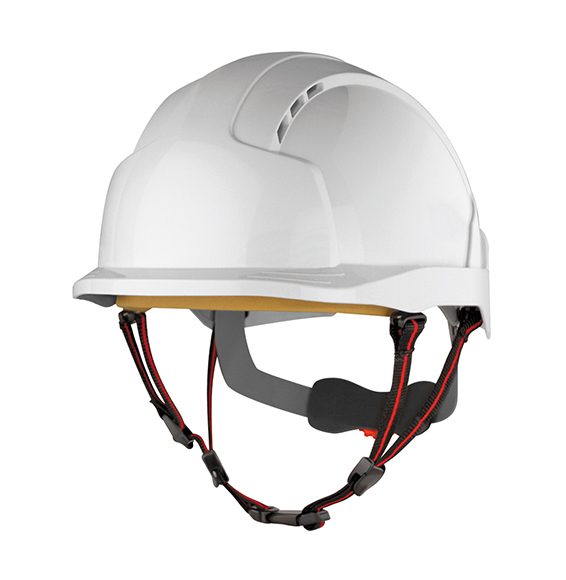
Features of Safety Helmets
Fuel Efficiency
Comfort Features- Many helmets feature an adjustable suspension system that allows workers to customize the fit for comfort. This typically includes a headband and adjustable straps to ensure a snug fit, soft padding inside the helmet helps absorb sweat, enhances comfort, and reduces pressure points. To prevent heat buildup, many helmets include vents to increase airflow, which helps keep the wearer cool, especially in hot environments like oil rigs.
High Durability
Heat and Cold Resistance-Oil and gas workers may be exposed to extreme temperatures, so safety helmets are often designed to function in both high heat and freezing cold, maintaining their integrity and comfort in varying conditions.
Lubrication Compatibility
Chemical Resistance- Some helmets are designed to withstand exposure to oils, solvents, and other chemicals commonly found in the oil and gas industry. This helps maintain the integrity of the helmet in harsh environments.
Heat Resistance:
Compliance with Standards-Helmets are typically designed to meet specific safety standards and regulations, such as ANSI, Z89.1 or EN 397. Compliance ensures the helmet is suitable for the intended work environment.
Thermal Expansion
Lightweight Design– Helmets are made to be lightweight to reduce fatigue during long shifts. This ensures that workers can wear them comfortably for extended periods without discomfort or strain.
Piston Cooling Systems:
Modular Design- Many helmets in this industry have a modular design, allowing for easy attachment of additional accessories like hearing protection, communication devices, lights, or other protective gear.
Piston Rings
High-Visibility Features- Bright colours (such as yellow, orange, or red) make the helmet highly visible in low-light environments, ensuring that workers are easily seen in areas with heavy machinery or in emergency situations. Many helmets also have reflective tape or decals that improve visibility in low-light or nighttime conditions.
Piston Rings
Impact Resistance-Helmets are typically made from high-strength materials like polyethylene, fiberglass, or composite materials. These materials are engineered to absorb impact energy and protect the wearer’s head from falling objects, bumps, and collisions.
Piston Rings
Flame Retardant- Helmets may be treated with flame-resistant materials to protect against sparks, open flames, or electrical fires, which are common hazards in the oil and gas industry.
Piston Rings
Visor/Face Shield Compatibility- Some helmets can be equipped with face shields or visors, providing additional protection against flying debris, chemicals, or harmful substances commonly found in oil and gas environments.
Piston Rings
Chin Strap– A chin strap is crucial to keep the helmet securely in place during activities such as climbing, working at height, or during high winds. This feature ensures the helmet does not fall off and provides added safety.
Piston Rings
Electrical Insulation-Some helmets provide insulation to protect workers from electrical shocks when they contact live wires or equipment. These helmets are often rated to withstand specific voltage levels.
Piston Rings
Durability- Given the harsh work environment, helmets are built for durability and can withstand the wear and tear of daily use in rugged conditions.
These features work together to ensure the protection of workers in hazardous environments, helping to prevent injuries and fatalities while promoting comfort and performance on the job.


