



Safety Harnesses crucial for protecting workers from falls, particularly when working at heights or in hazardous environments such as rigs, offshore platforms. Safety Harnesses provide support in situations where workers might be exposed to slipping or losing balance. Safety Harnesses should be replaced after a fall or when wear and tear are significant.
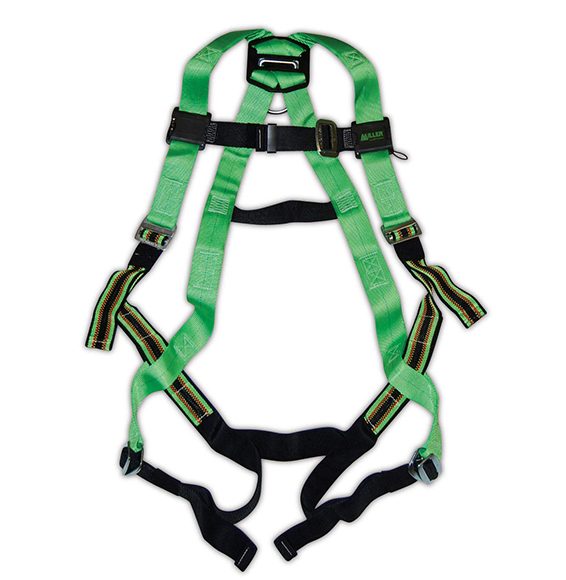
Features of Safety Harnesses
Fuel Efficiency
Comfort and Fit- To ensure a proper fit and comfort for long hours of wear, harnesses are highly adjustable, allowing workers to customize straps on the shoulders, chest, and legs. Padding on the shoulder straps and leg straps improves comfort and reduces fatigue, especially during long shifts or physically demanding tasks.
High Durability
Waterproof and Weather-Resistant-: Given the environmental conditions in the oil and gas industry, harnesses may be designed to be waterproof or highly resistant to water, oil, and other hazardous substances.
Lubrication Compatibility
Integrated Communication System- Some harnesses come with provisions or attachment points for communication systems, like radios or headsets, allowing workers to stay in contact while working in dangerous environments.
Heat Resistance:
High Visibility-Many oil and gas harnesses are designed with high-visibility colours (such as fluorescent yellow or orange) to make workers easier to spot in low-light conditions, enhancing safety in high-risk environments. Reflective strips improve visibility during night shifts or in poor visibility conditions like fog, rain, or offshore platforms.
Thermal Expansion
Fall Arrest System- These are located on the harness to attach to fall arrest systems or lanyards. A dorsal D-ring is typically used for fall arrest, while a front D-ring may be used for positioning. These are often integrated into the lanyard or incorporated into the harness system itself, reducing the force of the fall and minimizing the impact on the worker’s body.
Piston Cooling Systems:
Durable Material-Safety harnesses are made from strong, durable materials like nylon or polyester webbing to withstand harsh conditions like extreme temperatures, chemicals, and abrasions that are common in the oil and gas industry. Components like buckles, rings, and D-rings are made from corrosion-resistant metals to ensure longevity, especially in marine or offshore settings where saltwater exposure is high.
Piston Rings
Standards Compliance- Harnesses are tested and designed to meet the safety standards required by regulations such as OSHA, ANSI, or EN, ensuring the harness can withstand falls from significant heights.
Piston Rings
Load Distribution-Safety harnesses are designed to evenly distribute the force of a fall across the body, focusing on the thighs, chest, and shoulders. This prevents excessive strain on any one body part and reduces the risk of injury.
Piston Rings
Connection Options- In addition to the standard D-ring, some harnesses have additional connection points for tools, lanyards, and other fall protection equipment, allowing for increased flexibility and safety, some models feature integrated tool lanyards to ensure that tools don’t fall and cause additional hazards.
Piston Rings
Breathability and Ventilation- Some harnesses come with breathable mesh panels to allow air circulation and prevent excessive sweating, enhancing comfort during long hours of use in hot environments. The harness should be lightweight enough not to hinder the worker’s movements but still provide robust protection.
Piston Rings
Quick-Release Mechanism- Some safety harnesses come equipped with quick-release buckles or systems to ensure that workers can be freed quickly in case of an emergency or to adjust the fit without wasting time.
Piston Rings
Versatility- Harnesses are designed for use in a variety of tasks, from working at heights (e.g., rig maintenance) to working in confined spaces, providing flexibility for workers in diverse roles.


