



Safety Glasses provides both protection and comfort due to the challenging and hazardous work environment. The ideal Safety Glasses for oilfields should meet specific standards and offer feature. Many safety glasses come with UV-blocking lenses.
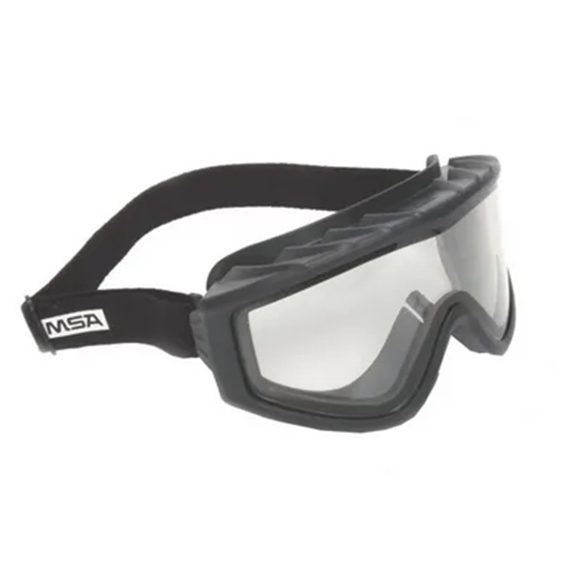
Features of Safety Glasses
Fuel Efficiency
Anti-Fog Coating-The oil and gas industry often involves environments with varying temperatures and high humidity levels, which can lead to fogging of safety glasses. Anti-fog coatings help maintain clear vision by preventing the lenses from fogging up.
High Durability
Chemical Resistance-Oil and gas workers may be exposed to hazardous chemicals, including oil, gas, solvents, and acids. Safety glasses designed for this industry should offer chemical resistance to prevent lenses from degrading or becoming damaged by these substances.
Lubrication Compatibility
Side Shields-Side shields provide additional protection against flying debris or chemicals that may come from the sides. This feature is particularly important in hazardous environments where exposure could come from multiple angles.
Heat Resistance:
Adjustable Nose Pads and Temples-Adjustable components, such as nose pads and temples, ensure a comfortable fit for various face shapes and sizes, enhancing both comfort and safety. This feature is crucial for long hours on the job site.
Thermal Expansion
Dust and Particle Protection- Safety glasses with a good seal around the eyes can help prevent dust, dirt, and other particles from getting into the eyes, which is essential in environments where particles are common.
Piston Cooling Systems:
Lightweight and Comfortable- Comfort is key for workers who may wear safety glasses for extended periods. Lightweight materials and ergonomic designs reduce discomfort, making it easier for workers to focus on their tasks.
Piston Rings
Anti-Glare Features- Anti-glare coatings or tints can reduce the glare from bright lights, such as the sun or worksite lighting, providing better visibility and reducing eye strain.
Piston Rings
Flame Resistance-In some oil and gas environments, workers are exposed to potential flame hazards. Flame-resistant safety glasses or lenses are crucial in these situations, providing added protection in extreme conditions.
Piston Rings
Prescription Lenses Compatibility- Workers who wear prescription eyewear can benefit from safety glasses that can accommodate prescription lenses or come in an over-the-glasses (OTG) design, ensuring both safety and clear vision.
Piston Rings
Peripheral Vision Protection-Safety glasses should offer good peripheral vision protection, ensuring that workers can see hazards from the side while still being protected. Some designs incorporate a wraparound style to enhance this feature.
Piston Rings
Scratch-Resistant Lenses- Scratch-resistant lenses extend the lifespan of safety glasses, ensuring that workers maintain optimal visibility without their glasses getting scratched during harsh conditions.
Piston Rings
Impact Resistance-Safety glasses should have a high level of impact resistance to protect workers from flying debris, tools, and equipment that could cause injury. They are often made with polycarbonate lenses, which are known for their durability and ability to withstand impacts.
Piston Rings
UV Protection-Exposure to UV radiation is a significant concern in the oil and gas industry, especially in outdoor environments. Safety glasses with UV protection help shield workers from harmful rays, reducing the risk of eye damage or long-term health issues.
These features combined ensure that safety glasses not only protect workers’ eyes from physical harm but also enhance their comfort, visibility, and overall safety while performing high-risk tasks in the oil and gas industry.


