



Respirators are protecting workers from inhaling harmful chemicals, gases, and particulate matter. The specific Respirator used will depend on the type of contaminants present. Ensure the Respirator is designed to handle specific chemicals or gases found in the oil and gas operations.
Type of Respirator:
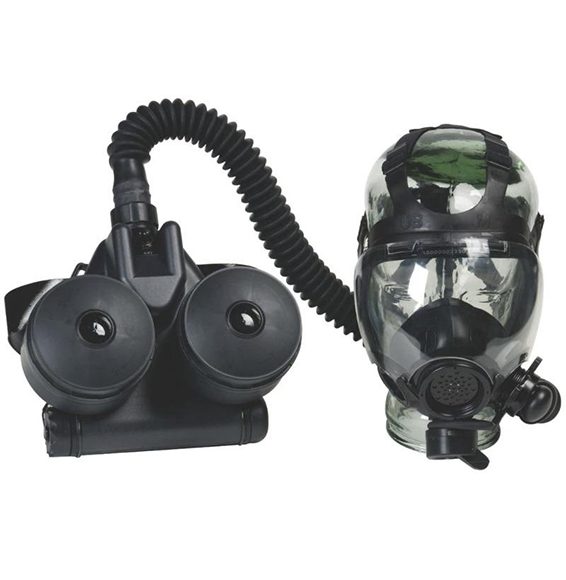
Powered Air-Purifying Respirators (PAPR): Include a battery-operated blower that pushes filtered air into the mask, offering extra comfort for long wear times.
Self-Contained Breathing Apparatus (SCBA): Provides breathable air from a tank, used in high-risk situations where oxygen levels may be low or contaminants are immediately dangerous to life or health.
Half-Face Respirators: Cover the nose and mouth, providing a balance of protection and comfort.
Full-Face Respirators: Cover the entire face, providing an additional level of protection for the eyes and face, often preferred in environments with chemical exposure.
Features of Respirator
Fuel Efficiency
Comfort and Fit-
Adjustable Straps: Ensure a secure and comfortable fit for different head sizes,
Soft Seal Materials: Ensure a comfortable seal around the face, often made from silicone or rubber, to avoid irritation during long shifts,
Ergonomic Design: Designed to minimize discomfort, even during extended wear.
High Durability
Durability-
Heavy-Duty Construction: Made from rugged materials that can withstand the tough conditions of the oil and gas industry, including exposure to chemicals, extreme temperatures, and rough handling.
Corrosion-Resistant: Many components are designed to resist corrosion from exposure to chemicals, saltwater, or other harsh environments.
Lubrication Compatibility
Filters and Cartridges-
Particle Filters: Remove solid particulates like dust, soot, and aerosols.
Chemical Cartridges: Filter out gases and vapours, such as hydrogen sulphide (H2S), volatile organic compounds (VOCs), or other hazardous chemicals.
Heat Resistance:
Communication Systems-
Communication Ready: Some respirators come equipped with communication systems, such as two-way radios or voice amplification systems, allowing workers to communicate effectively while wearing the respirator.
Thermal Expansion
Breathing Resistance-
Low Breathing Resistance: Ensures the wearer can breathe with minimal effort, especially important in long-duration use to reduce fatigue and discomfort.
Piston Cooling Systems:
Exhalation Valves: Allow for easier exhalation, reducing heat and moisture buildup inside the respirator, which helps prevent discomfort and fogging, especially in full-face models.
Emergency Features-
Piston Rings
Emergency Escape Breathing Devices (EEBD): Used in cases of hazardous gas leaks or other emergencies where breathable air supply is compromised. These devices provide immediate emergency air to escape a hazardous environment.
Piston Rings
Fire Resistance-n certain environments, hearing protection devices must be flame-resistant to prevent fire hazards in case of spills or exposure to high heat.
Integration with Other PPE-
Piston Rings
Helmet or Hard Hat Compatibility: Some respirators can be integrated with hard hats or helmets for added protection against head injuries.
Piston Rings
Hearing Protection: Some designs can also integrate with earmuffs or other hearing protection to protect against high noise levels in the field.
Piston Rings
Weight and Size-
Lightweight: Respirators are designed to be lightweight to minimize fatigue, especially for workers who need to wear them for long periods.
Piston Rings
Compact Design: Many respirators are designed to be compact and not obstruct the worker’s field of vision or interfere with other protective equipment.
Maintenance and Reusability-
Piston Rings
Reusable Filters and Cartridges: Many respirators allow for filter replacement, making them cost-effective and environmentally friendly.
Piston Rings
Easy Maintenance: Designed for ease of cleaning and maintenance to ensure the respirator continues to provide effective protection over time.
Anti-Fogging Features-
Anti-Fog Lens: Full-face respirators often feature lenses that are treated with anti-fog coatings or include integrated ventilation to prevent fogging of the visor, ensuring clear visibility.
Respirators ensure worker safety in the oil and gas industry, where hazardous environments are common and personal protection is essential.


