



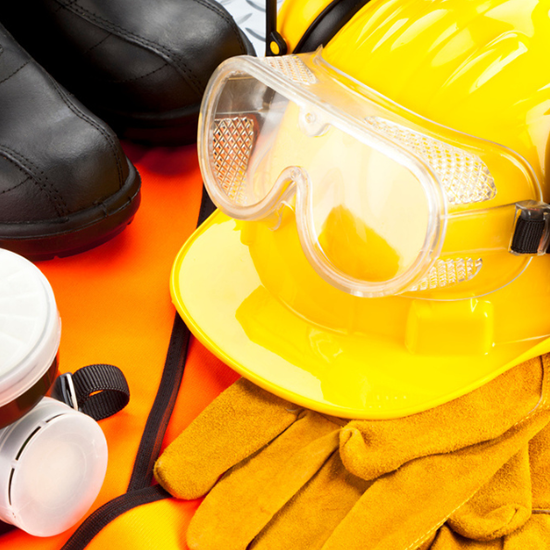
Personal Protective Equipment (PPE) is essential in the oil and gas industry to ensure the safety of workers in high-risk environments. PPE in this sector is designed to protect workers from various hazards such as fires, explosions, toxic gases, machinery accidents, and environmental conditions. The use of PPE is vital for maintaining safety standards in various industries.
Features of Pistons
Fuel Efficiency
Chemical Protection- Specialized suits, gloves, and footwear designed to protect against chemical exposure. Chemical-resistant coveralls, aprons, gloves, boots, and chemical suits protects workers when handling hazardous chemicals, acids, and petroleum products.
High Durability
Head Protection- Hard hats or helmets designed to protect against falling objects and impacts, provides head protection against impact, electrical hazards, and falling debris, Helmets with face shields or visors for additional protection against sparks and flying debris.
Lubrication Compatibility
Eye and Face Protection-: Goggles, safety glasses, and face shields with anti-fog coatings and impact resistance, Protects workers from flying debris, chemicals, splashes, and UV radiation.
Heat Resistance:
Flame-Resistant (FR) Clothing- Made from specialized fabrics that resist ignition and self-extinguish once the source of flame is removed, Protects workers from flash fires, electrical arcs, and heat exposure. Common flame-resistant garments include FR coveralls, jackets, pants, shirts, and flash fire suits.
Thermal Expansion
Foot Protection- Steel-toe or composite-toe boots with slip-resistant soles and ankle support. Protects feet from falling objects, heavy equipment, sharp objects, and electrical hazards. Common types of foot protection include steel-toe boots, rubber boots, flame-resistant boots, and anti-slip footwear.
Piston Cooling Systems:
Hearing Protection- Earplugs or earmuffs to reduce exposure to high noise levels, Protects workers from hearing damage or loss due to exposure to loud machinery, drilling rigs, and equipment. Common types of Hearing Protections are Earplugs, earmuffs, and communication headsets.
Piston Rings
Fall Protection -Safety harnesses, lanyards, and fall arrest systems, prevents workers from falling while working at heights, such as on drilling rigs or elevated platforms. Common Items Fall Protections are Full-body harnesses, retractable lanyards, anchor points, and lifelines.
Piston Rings
Heat Stress Protection- PPE designed to protect against heat exhaustion and heat stroke in hot environments, protects workers in hot weather or environments where high temperatures are a risk, such as rigs or refineries. Common Heat Stress Protection are Cooling vests, moisture-wicking clothing, hydration systems, and heat-resistant gloves.
Piston Rings
Respiratory Protection- Masks or respirators designed to protect against harmful airborne particles, chemicals, or gases, protects workers from inhaling toxic substances like fumes, dust, vapours, or gases commonly found on drilling sites or during refinery operations. Common Respiratory Protections are Disposable dust masks, half-face respirators, full-face respirators, and SCBA (Self-Contained Breathing Apparatus).
Piston Rings
Gloves- Gloves designed for protection against cuts, abrasions, burns, chemicals, and electrical hazards, Protects the hands from mechanical, chemical, and thermal hazards. Common types of Gloves are Rubber gloves (for chemical protection), leather gloves (for mechanical hazards), flame-resistant gloves, cut-resistant gloves, and insulated gloves.
Piston Rings
High-Visibility Clothing- Garments with reflective strips and bright colours, ensures workers are visible, especially in low-light conditions or in high-traffic areas. Common type of High-Visibility Clothing are High-visibility vests, jackets, coveralls, and helmets.
Piston Rings
Personal Gas Monitors- Portable devices that detect the presence of hazardous gases, warns workers about dangerous levels of toxic gases such as hydrogen sulphide (H2S), carbon monoxide, and methane. Common Personal Gas Monitors are Handheld gas detectors and multi-gas monitors.
By using these specialized PPE, the oil and gas industry works to minimize exposure to various workplace hazards, improving safety and reducing the risk of injury or fatality.


