



Hearing Protection is crucial due to the high noise levels generated by drilling rigs, heavy machinery, and equipment. There are several types of hearing protection commonly used in the oilfield. Since workers may wear hearing protection for long shifts. Ensure Hearing Protections are comfort, proper fit and wear it consistently.
Types of Hearing Protections
Earplugs: These are small and typically disposable. They can be foam or silicone and are good for reducing high-frequency noise but may not block out extremely loud or low-frequency noise as effectively as earmuffs.
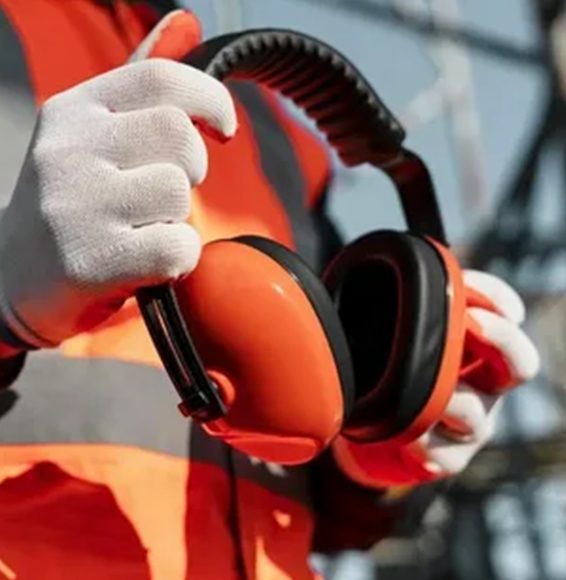
Earmuffs: These cover the entire ear and are often used in environments with very high noise levels. They are available in over-the-ear or behind-the-neck styles and can be paired with communication systems for clear conversations.
Electronic Hearing Protection: Some hearing protection devices come with built-in electronics that allow workers to hear environmental sounds (such as voices or alarms) while still reducing harmful noise levels.
Features of Hearing Protection
Fuel Efficiency
Noise Reduction Rating (NRR)- The effectiveness of hearing protection is usually quantified by the Noise Reduction Rating (NRR), which indicates the level of noise reduction the device provides. For noisy environments like oil and gas sites, hearing protection with a high NRR (around 25-33 dB) is crucial to protect workers from harmful noise levels.
High Durability
Comfort and Fit-Comfort is vital, especially during long shifts. High-quality earplugs or earmuffs should be adjustable or come in various sizes to ensure a secure and comfortable fit, preventing fatigue or irritation. Foam, Silicone, or Custom Moulded materials help to ensure a good seal around the ear and comfortable wear for extended periods.
Lubrication Compatibility
Durability and Toughness-The hearing protection should be made from robust materials that can withstand harsh conditions, such as extreme temperatures, chemicals, water, and oil. This ensures longevity even in tough oil and gas environments.
Heat Resistance:
Communication Compatibility-Oil and gas operations often require communication among workers, especially in noisy environments. Hearing protection with communication systems (like radios or Bluetooth) ensures that workers can communicate without removing their hearing protection. Some earmuffs are designed to integrate with two-way radios, allowing workers to maintain communication without compromising hearing protection.
Thermal Expansion
Adaptability to Different Work Environments-For environments with fluctuating noise levels, hearing protection that allows workers to adjust the noise attenuation level could be beneficial. This allows workers to hear safety alarms or machinery noise without being exposed to harmful levels.
Piston Cooling Systems:
Ease of Maintenance-For reusable devices, it is important that the hearing protection is easy to clean and maintain. Earplugs should be washable or disposable, while earmuffs should have replaceable ear cushions or seals for hygiene.
Piston Rings
Visibility and High-Visibility Features- For safety, hearing protection devices may come in bright colours (such as neon yellow or orange) to ensure workers are easily seen, especially in low-light or high-risk areas.
Piston Rings
Fire Resistance-n certain environments, hearing protection devices must be flame-resistant to prevent fire hazards in case of spills or exposure to high heat.
Piston Rings
Water and Oil Resistance- Given the exposure to water, oil, and chemicals in the oil and gas industry, the hearing protection needs to resist degradation from these substances, ensuring its effectiveness and long lifespan.
Piston Rings
Compatibility with Other PPE-Hearing protection should be compatible with other personal protective equipment (PPE) such as hard hats, face shields, or safety glasses. Proper integration ensures that the hearing protection remains effective and does not interfere with other safety gear.
Piston Rings
Compliance with Safety Standards-Hearing protection should meet the relevant safety standards such as those outlined by OSHA (Occupational Safety and Health Administration), ANSI (American National Standards Institute), and other local or industry-specific regulations to ensure they provide adequate protection.
By selecting hearing protection with these features, oil and gas companies can ensure the safety and health of their workforce while maintaining compliance with safety standards


