



Gas Detector Tubes are detecting the presence of specific gases, such as H2S, CO, CH4, and other harmful or combustible gases. Gas Detector Tubes are popular method of gas detection due to their ease of use, portability, and effectiveness in spot-checking hazardous environments. Gas Detectors are crucial for worker safety, ensuring that gas concentrations are kept below hazardous levels.
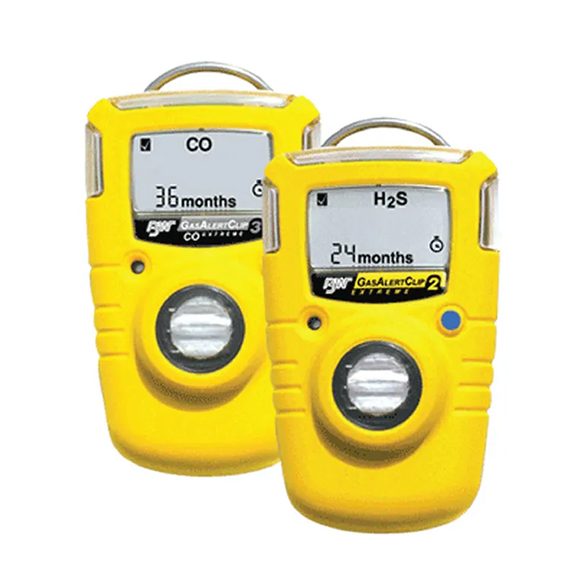
Features of Gas Detector Tubes
Gas detector tubes are available for detecting a variety of gases, such as:
Methane (CH₄), Carbon monoxide (CO), Carbon dioxide (CO₂), Oxygen (O₂), Volatile organic compounds (VOCs), Sulphur dioxide (SO₂), Ammonia (NH₃).
Variety of Gas Detector Tubes, such as:
Long-term tubes: Designed for more prolonged exposure, useful for detecting low concentrations over an extended period.
Long-term tubes: Designed for more prolonged exposure, useful for detecting low concentrations over an extended period.
High and low range tubes: Different tubes are tailored for detecting specific ranges of gas concentrations.
High Sensitivity
High Sensitivity- Gas detector tubes detect gases at low concentrations, making them effective for safety monitoring. This sensitivity helps to prevent accidents by identifying hazardous gas levels before they become dangerous.
Accuracy and Precision-Gas detector tubes are designed to provide accurate and reliable readings, ensuring the safety of workers and the environment. The chemical reactions inside the tubes are highly specific, minimizing the risk of false readings.
Easy Interpretation of Results-The results from gas detector tubes are usually easy to interpret due to the clear colour change. This eliminates the need for complex data analysis, making it accessible to workers with varying levels of technical expertise.
Quick and Easy Operation-These tubes provide instant or near-instant readings of gas concentrations. They are often used with a hand pump that draws the gas through the tube, allowing the user to observe colour changes in the reagent inside the tube.
Colour Change Technology-The tube contains a chemical reagent that changes colour when it reacts with the target gas. The length of the colour change indicates the concentration of the gas present in the sample. This provides an immediate and visual indication of gas levels.
Ease of Storage and Transportation- Gas detector tubes are typically small and compact, allowing for easy storage and transportation. Their long shelf life (if stored properly) makes them convenient for both short-term and long-term use.
Portable and Lightweight-Gas detector tubes are highly portable, making them easy to carry to various locations on a job site. This is particularly useful for field inspections and emergency situations where quick gas detection is needed.
Environmentally Safe-Most gas detector tubes are made with materials that are not harmful to the environment when disposed of properly, making them a more environmentally responsible option compared to some other types of gas detection methods.
Disposable and Cost-Effective-Gas detector tubes are typically single-use and disposable, which can make them a cost-effective solution for one-off or occasional gas monitoring, especially in industries like oil and gas where temporary measurements are needed.
Wide Temperature and Pressure Range-Some gas detector tubes are specifically designed to operate in extreme environmental conditions, such as high temperatures, humidity, and varying pressures, which are common in the oil and gas industry.
No Calibration Required-Unlike some electronic gas detectors, gas detector tubes do not require calibration, which can save time and reduce the chances of errors. This is particularly beneficial for field operators who may not have access to calibration equipment.
Non-Electrical- Gas detector tubes operate without the need for electrical power, which is ideal for hazardous environments like oil rigs or remote locations where access to electricity is limited.
Compliant with Safety Regulations-Many gas detector tubes are designed to meet industry standards and regulations for safety and environmental protection. This ensures they are fit for use in potentially hazardous environments where gas exposure is a concern.


