



Coverall Heat & Flame Retardant is a type of protective clothing designed to shield the wearer from heat and flames. Coverall Heat & Flame Retardant are used in industries like oil and gas, firefighting, construction, and welding. Coverall Heat & Flame Retardant are made from fabrics treated with special chemicals or are constructed from inherently flame-resistant materials.
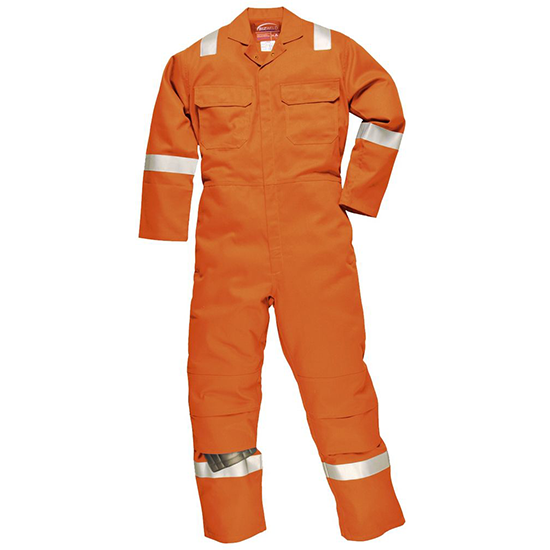
Features of Heat & Flame Retardant
Fuel Efficiency
Flame Resistance-The primary feature of these coveralls is their ability to resist ignition and prevent the spread of flames. They are made from special fabrics treated with flame-retardant chemicals or inherently flame-resistant Fibers. Flame Resistance can withstand high temperatures without catching fire, offering protection from flash fires, heat flashes, or even explosions.
High Durability
Durability and Strength – These coveralls are designed to be tough and durable. They are resistant to wear and tear, offering long-lasting protection in rough conditions, High tensile strength fabrics can withstand the physical demands of working in oil rigs or on offshore platforms.
Lubrication Compatibility
Comfort and Breathability -Despite the protective nature, modern flame-retardant coveralls are designed to be comfortable, with moisture-wicking properties to keep the wearer dry. Many are breathable, allowing air circulation to prevent overheating, which is essential for long hours in harsh working conditions.
Heat Resistance:
Water and Wind Resistance- Some flame-retardant coveralls also include waterproof or windproof properties, adding an extra layer of protection against weather conditions, particularly in offshore oil and gas rigs.
Thermal Expansion
Oil & Chemical Resistance-Many coveralls are treated to resist oil, chemicals, and hydrocarbons, which are prevalent in the oil and gas industry. This feature prevents the fabric from absorbing these substances, keeping the worker safe from contamination and injury.
Piston Cooling Systems:
Thermal Insulation- Some Coveralls feature thermal insulation, keeping workers protected from extreme heat or cold, providing a barrier against heat transfer in hot environments.
Piston Rings
Anti-Static Properties-Anti-static properties are important in environments where there is a risk of ignition due to static discharge. The fabrics used in flame-retardant coveralls often incorporate anti-static Fibers to prevent static build-up, reducing the risk of sparks that could ignite flammable materials.
Piston Rings
Variety of Styles Flame-retardant coveralls are available in a range of styles to suit different job requirements, including coveralls with full-body protection, jackets, pants, and bib overalls. Some are designed for specific tasks, like welding or electrical work.
Piston Rings
Reflective Tape or High-Visibility Features-Oil and gas operations often occur in low-light or hazardous environments. Many flame-retardant coveralls feature reflective tape or high-visibility colors (like orange or yellow) to ensure workers can be easily seen, improving safety on-site.
Piston Rings
Multiple Pockets and Functional Design- These coveralls are designed with practical features such as multiple pockets for carrying tools, pens, and other necessary items. This ensures that workers can have everything they need close at hand while maintaining safety and comfort.
Piston Rings
Ease of Maintenance- These coveralls are designed to be durable and withstand repeated industrial laundering. The flame-resistant properties remain intact even after numerous washes, ensuring long-term protection.
These features work together to provide comprehensive protection to workers in high-risk oil and gas environments, helping them stay safe from a variety of workplace hazards


