



Calibration Gases ensure the proper functioning and accuracy of gas detection equipment. Calibration Gases is critical for monitoring air quality, detecting hazardous gases and ensuring the safety. Calibration Gases are typically mixed in precise concentrations and can include a variety of gases found in oilfield operations.
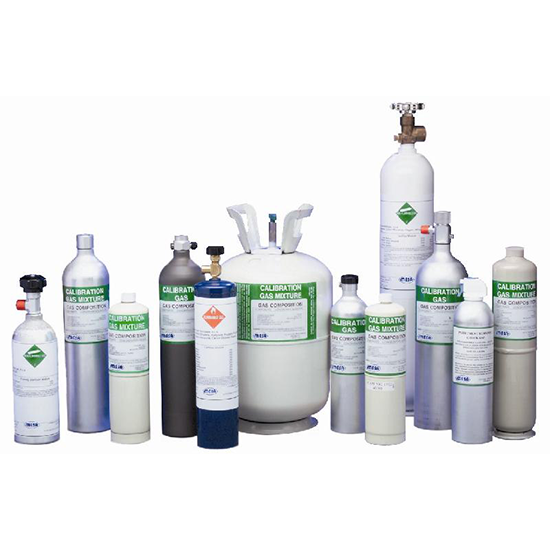
Features of Calibration Gases
Stable Shelf Life- Calibration gases are manufactured to have a stable shelf life. This is important for ensuring that the gases retain their concentration over time, allowing for reliable calibration when needed. They are typically stored in pressurized cylinders with stability ranges.
Safety and Toxicity Considerations-Some calibration gases may include toxic or flammable components, such as hydrogen sulphide (H2S), methane (CH4), or carbon monoxide (CO). The calibration gases must be handled safely with appropriate precautions, including using approved regulators, valves, and gas detection equipment in a controlled environment.
Non-Reactiveness and Purity-The gases used in calibration mixtures are highly purified to avoid contamination that could affect the accuracy of the calibration. The gases are typically free from impurities that may interfere with the detection instruments.
Fast Response Time-For effective calibration, the gas detectors must respond quickly to the introduction of calibration gases. Calibration gases used in the oil and gas sector are typically selected for their ability to provide a fast, accurate response when introduced to detection equipment.
Precise and Consistent Gas Concentrations-Calibration gases are formulated with highly accurate and consistent concentrations of target gases (e.g., methane, carbon dioxide, hydrogen sulphide, or oxygen) to ensure that gas detection instruments can be properly calibrated. The accuracy of these gases is critical for safety and operational efficiency.
Compatibility with Detection Equipment-These gases are designed to be compatible with a wide range of gas detection instruments used in the oil and gas sector. These include fixed detectors, portable monitors, and multi-gas analysers, ensuring that calibration tools work accurately across different systems.
Custom Mixtures-Calibration gases can be custom-blended to meet specific requirements, such as specific concentrations of multiple gases or to replicate the composition of natural gas, biogas, or other relevant gas mixtures found in the oil and gas industry.
Convenient Cylinder Sizes-Calibration gases are available in a variety of cylinder sizes to accommodate different needs in the field or laboratory. Small portable cylinders are ideal for mobile or remote operations, while larger cylinders are more appropriate for stationary testing equipment.
Temperature and Pressure Sensitivity-Calibration gases are generally sensitive to temperature and pressure fluctuations, and this must be considered during the calibration process. Gas mixtures are typically provided in specific conditions and may require temperature compensation to ensure accuracy.
Certification and Traceability-Calibration gases come with certificates of analysis that detail the concentration and the uncertainty of each component. They are traceable to national or international standards, ensuring that the calibration is compliant with industry regulations.
Easy to Transport and Handle-Calibration gases are often available in compact, lightweight cylinders, making them easy to transport and handle on-site. Many cylinders are also equipped with special valves and regulators for ease of use during calibration activities.
These features ensure that calibration gases are critical for maintaining the proper functioning of gas detection and monitoring systems, contributing to safety, regulatory compliance, and operational efficiency in the oil and gas industry.


