



Breath Alcohol Tester is a safety equipment in the oil and gas industry. Breath Alcohol Tester ensuring that workers are not under the influence of alcohol is essential for safety and operational efficiency. Breath Alcohol Testers also known as breathalysers, are used to measure the concentration of alcohol in a person’s breath.
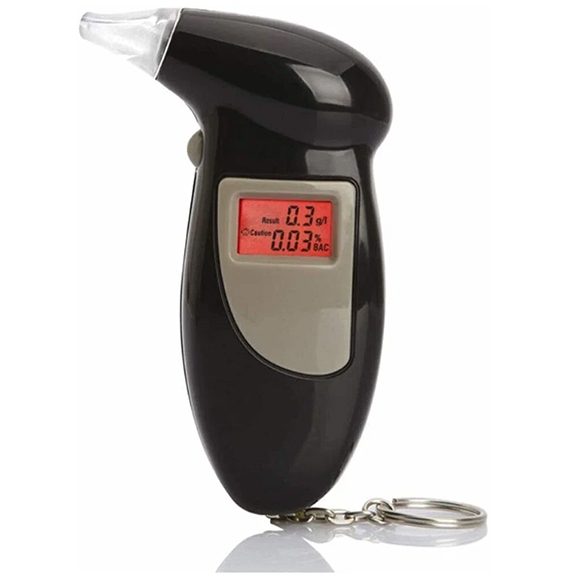
Features of Breath Alcohol Testers
High Accuracy-Breath alcohol testers used in the oil and gas industry must provide highly accurate readings to meet regulatory standards and ensure workplace safety. Devices typically offer a range of 0.000 to 0.400% BAC for precise alcohol detection.
Multi-Function Capability- In some advanced models, breath alcohol testers may be combined with drug-testing functions to offer a broader spectrum of workplace safety checks.
Calibration and Maintenance Alerts-Some models come with automatic calibration features to ensure the device remains accurate over time. Others might have reminders for periodic manual calibration to maintain accuracy and compliance with regulatory standards. These devices may also include alerts for when a calibration or maintenance is required.
Fast and Easy Operation- The devices provide rapid results (typically within seconds to a minute), which is critical in high-traffic, time-sensitive environments like oil and gas operations. Breath alcohol testers are designed to be user-friendly, even for workers without specialized training. Typically, they only require a single breath sample to deliver a result.
Multiple Test Modes-Some models allow for both individual tests and bulk testing for groups of workers. This is helpful in ensuring a fast and efficient testing process, especially during safety checks or at the start of shifts. Certain devices can detect alcohol in the air near a person’s breath, enabling passive testing without direct contact. This is helpful for rapid screenings in high-traffic areas.
Rugged and Durable Design-These devices are built to withstand harsh environments, including extreme temperatures, moisture, and dust. They must perform reliably in outdoor settings like oil rigs, construction sites, and refineries. Breath alcohol testers in this industry are designed to endure physical impacts or drops, which are common in demanding industrial settings.
Portable and Lightweight- For easy mobility, these devices are lightweight and portable, making them ideal for use on oil rigs, during fieldwork, or while traveling between different parts of a site. Often, they come with a protective case to enhance portability and prevent damage during transport.
Data Logging and Reporting- Many breath alcohol testers have built-in data logging capabilities to store test results, which can be retrieved later for record-keeping or compliance purposes. Some devices can generate detailed reports for audits, making them helpful for compliance with safety standards or regulatory inspections.
Regulatory Compliance- Breath alcohol testers used in the oil and gas industry must comply with local and international safety standards. These devices do not require blood or urine samples, ensuring a non-invasive and quick alcohol detection process for employees.
Mouthpiece Options- To prevent cross-contamination and maintain hygiene, many alcohol testers are equipped with disposable mouthpieces. Some models may also include reusable ones that can be sanitized.
Battery Life and Charging- For remote operations, long battery life is crucial, with some devices capable of testing hundreds or even thousands of samples before needing a recharge. Many devices come with rechargeable battery options, reducing long-term costs and ensuring readiness for extended use.
Piston Rings
These features help ensure that the workforce in the oil and gas sector remains safe and compliant with regulations while reducing the risk of accidents caused by impaired employees.


