



Engine Components
Green Port engine components are critical for the reliable operation of vessels, from small boats to large ships. Each component is designed to work together, Component ensuring the safe and efficient operation of marine engines in different conditions.
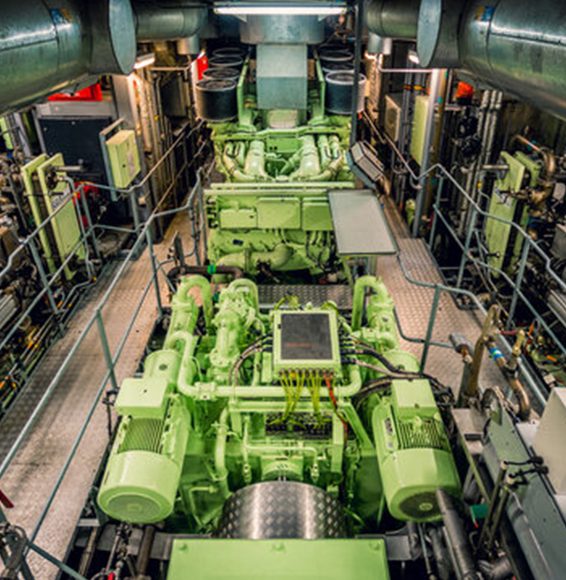
Features of Engine Components
Pistons- Pistons convert the energy from combustion into mechanical motion. Typically made of cast or forged aluminium, Designed for high heat tolerance and resistance to wear.
Turbocharger- Turbocharger increases the engine’s efficiency by forcing more air into the combustion chamber. Turbocharger typically made from high-strength alloys to resist heat and corrosion, can improve fuel efficiency and engine power output.
Transmission and Gearbox- Transmission and Gearbox are transfers power from the engine to the propeller shaft, adjusting the engine’s rotational speed to match vessel requirements. may be single or multiple gears, must be durable and capable of handling the torque generated by the engine.
Crankshaft- Crankshaft converts the linear motion of the pistons into rotational motion to drive the propeller or other mechanical systems. Crankshaft usually made from steel alloys for strength, precision-balanced to ensure smooth operation.
Engine Block– Engine Block houses the internal components of the engine, including cylinders, pistons, and the crankshaft. Typically made of cast iron or aluminium alloy for strength and heat resistance, designed to withstand high pressure and temperature fluctuations.
Cooling System– Cooling System maintains the optimal operating temperature of the engine. Includes water pumps, heat exchangers, radiators, and cooling jackets, Often relies on seawater or freshwater to regulate temperature.
Transmission and Gearbox- Transmission and Gearbox are transfers power from the engine to the propeller shaft, adjusting the engine’s rotational speed to match vessel requirements. may be single or multiple gears, must be durable and capable of handling the torque generated by the engine.
Crankshaft- Crankshaft converts the linear motion of the pistons into rotational motion to drive the propeller or other mechanical systems. Crankshaft usually made from steel alloys for strength, precision-balanced to ensure smooth operation.
Cylinder Head- Cylinder Head covers the top of the engine’s cylinders and contains the intake/exhaust valves and the combustion chamber. Cylinder Head often made from durable metals like aluminium, includes passages for coolant, oil, and exhaust gases.
Camshaft- Camshaft controls the timing of the intake and exhaust valves to optimize combustion. Camshaft can be mechanically or electronically driven, must withstand high temperatures and pressures.
Fuel Injection System– Fuel Injection System delivers fuel directly into the combustion chamber at precise intervals and pressures. The systems include fuel injectors, fuel pumps, and nozzles, Designed for high pressure to ensure efficient combustion and minimize emissions.
Lubrication System- Lubrication System provides oil to various moving parts within the engine to reduce friction and wear, ensures efficient circulation of oil under varying operational conditions Includes oil pumps, oil filters, and coolers,
Exhaust System- Exhaust Systems are Channels, the exhaust gases out of the engine after combustion, includes exhaust manifolds, turbochargers, and sometimes exhaust gas cleaning systems, Must be resistant to high temperatures and corrosive exhaust gases.
Air Intake System- Includes air filters, intercoolers, and intake manifolds. Designed to ensure the air entering the engine is clean and at the right temperature and pressure.
Alternator and Starter Motor- The alternator generates electricity to power onboard systems, while the starter motor initiates engine operation. Starter motors are robust and designed for high-torque operation.
Vibration Dampeners- Reduces vibrations caused by the engine’s moving parts, Typically made of rubber or specialized materials, Located in key areas such as engine mounts and exhaust supports.
These components work together to provide the propulsion, power, and reliability necessary for marine vessels to operate safely and efficiently on water. Depending on the size and type of the vessel.


