



Life Buoy also called a lifebuoy, life ring, Life Buoy is a flotation device designed to help a person stay afloat in water during emergencies. Life Buoy is commonly used on boats, ships, docks, and swimming areas as a safety measure.
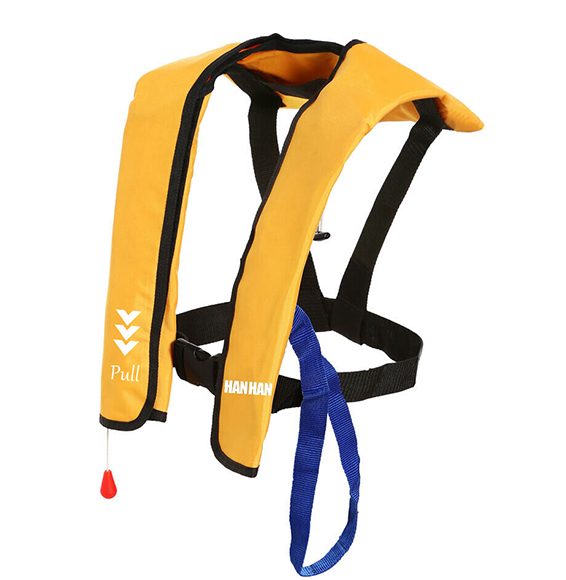
Features of a life buoy
Life buoys are typically made of lightweight, buoyant materials, such as foam or inflatable plastic, that are capable of displacing water to create upward buoyant force The ring shape provides stable support when a person clings to it, allowing the user to remain upright in the water. This shape helps maintain a balanced position while preventing the person from sinking.
Life buoys are inflatable, meaning they can be deflated for easy storage and inflated when needed to maximize buoyancy. The air inside helps provide the necessary flotation. The more water a life buoy displaces, the greater its buoyancy. Life buoy is designed to displace enough water to support a person’s body weight, keeping them above the water’s surface.
Life buoys are often brightly coloured, which makes them highly visible in the water, especially in emergency situations. This visibility increases the chances of a person in distress being seen and rescued. The design of the life buoy allows it to be easily thrown to someone in trouble. Most have ropes attached to them, making it easier for rescuers to pull the person to safety after they have grabbed hold of the buoy.
A person in the water who is exhausted or in distress may struggle to stay afloat. A life buoy can prevent them from tiring out and sinking by providing constant support. Life buoy helps stabilize the body in the water, preventing the person from flipping upside down or getting trapped in dangerous positions. The life buoy gives a person something to hold onto, which reduces panic and helps them remain calm until help arrives.
Life buoys are designed for use in a variety of water environments, including oceans, lakes, pools, and rivers. Life buoys construction is intended to function effectively in both calm and rough waters. They are often part of emergency response kits on boats, ships, beaches, pools, and other aquatic facilities. The presence of life buoys ensures that there is a readily available means of support in case someone falls overboard or is in danger of drowning.


