



Green Port Internationals systems for navigation, fishing, or a specific application. Marine Radar is essential for detecting other vessels, obstacles, and weather conditions, especially in low visibility. Marine Radar is a critical navigation tool. Marine Radar operates by sending out radio waves and analysing the reflections that return from objects in its path.
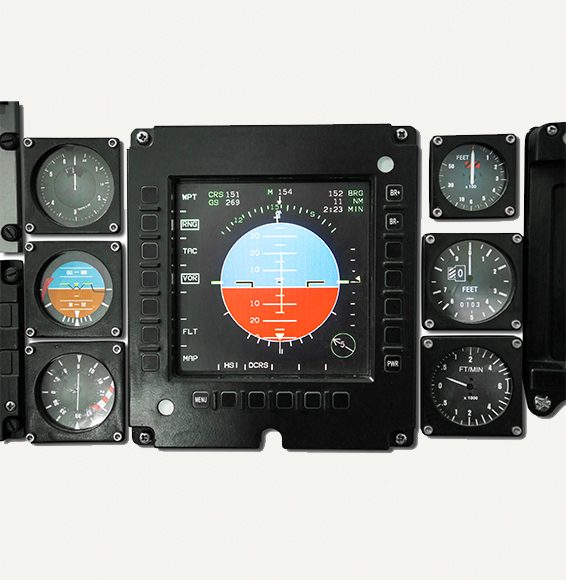
Features of Marine Radar
Range and Resolution
Range: Determines how far the radar can detect objects. It typically ranges from a few hundred meters to several hundred nautical miles. Resolution: Refers to the radar’s ability to distinguish between two objects that are close together. High-resolution radars can provide better image clarity, especially in cluttered environments.
MARPA (Mini Automatic Radar Plotting Aid)
This feature helps plot the movement of other vessels or targets automatically, offering predictions for their future positions. It is especially helpful for collision avoidance.
Dual-Range Capability
Some marine radar systems allow operators to monitor two different ranges at the same time, enabling both long-range tracking and close-quarters monitoring.
Antennas and Power
Radar Antenna: The type of antenna (open array or closed dome) affects the radar’s range, performance, and physical size. Power Output: The higher the power, the better the radar can detect distant objects. However, excessive power may cause interference and increase energy consumption.
Range and Resolution
Collision Avoidance-Radar systems are often integrated with systems like ARPA (Automatic Radar Plotting Aid) and collision avoidance algorithms, which assist in preventing collisions by tracking nearby objects and offering avoidance suggestions.
MARPA (Mini Automatic Radar Plotting Aid)
Weather and Environmental Monitoring- Weather Radar: Some marine radar systems include features for detecting weather conditions like rain, fog, and storms, which can affect navigation. Sea Clutter and Rain Clutter Filtering: These features reduce interference from waves and rain, ensuring clearer targets.
Radar Display
2D and 3D Displays: Most marine radars offer 2D displays showing a top-down view, while more advanced systems may include 3D displays for better situational awareness. Overlay with Charts: Some systems can overlay radar images on electronic charts (ECDIS), helping the operator correlate radar data with navigational charts.
Network Integration
Target Detection—Advanced Signal Processing—User Interface and Controls—Marine radar technology continues to advance, offering improved safety and operational efficiency for all types of vessels.


