



ECDIS is a computer-based navigation system used by mariners to display electronic navigational charts (ENCs). Electronic Chart System enhances situational awareness, improves safety at sea. Electronic Navigational Charts displays vector and raster charts with real-time updates.
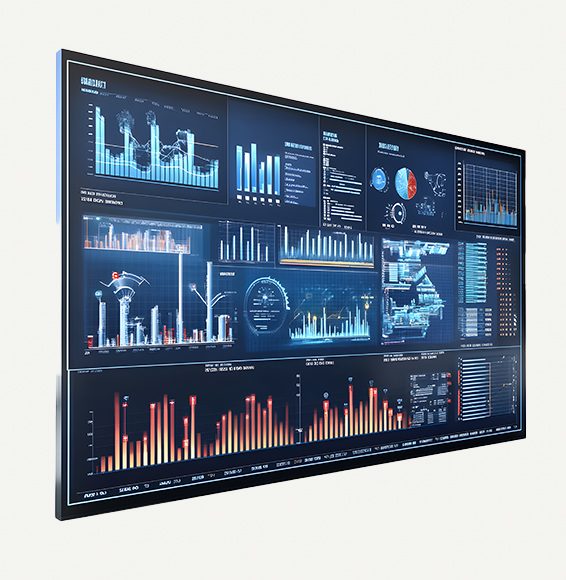
Features of an ECDIS
Electronic Chart Display
Raster and Vector Charts: ECDIS can display both raster charts (scanned images of paper charts) and vector charts (digital representations of navigational data). Real-time Chart Updates: The system provides real-time chart updates, ensuring that the displayed information is always accurate.
Automatic Positioning
GPS Integration: ECDIS integrates with GPS or other positioning systems to provide the vessel’s current position on the chart. Dynamic Positioning: It can track the ship’s movement, showing real-time changes in position and providing continuous updates.
Integration with Other Sensors
Radar and AIS Integration: ECDIS can integrate with radar systems and Automatic Identification System (AIS), which helps in detecting other vessels and obstacles. Environmental Sensors: It can be connected to weather stations, tide data, and ocean current sensors to provide real-time environmental data.
Hazard Detection
Collision Avoidance: ECDIS can warn operators about potential collisions with other vessels, land, or underwater obstructions. Shallow Water Alerts: It alerts the crew if the vessel approaches shallow water or other navigational hazards.
Route Planning and Monitoring
Route Planning: ECDIS allows users to plan, create, and modify routes, ensuring safe passage between destinations. Route Monitoring: The system continuously monitors the vessel’s progress along the route, alerting operators of deviations or hazards.
Depth Contour and Bathymetric Data
Seafloor Mapping: ECDIS can show detailed bathymetric data, such as depth contours, which helps in avoiding underwater obstacles and ensures safe navigation in shallow waters.
Alarms and Warnings
Safety Zones: ECDIS can set up virtual boundaries or safety zones, and will trigger alarms if the vessel enters a danger zone. Navigational Alerts: It generates alarms for specific situations such as proximity to land, depth changes, or high-risk areas.
Data Recording and Storage
Voyage Data Recording: ECDIS typically records navigation data, including routes, positions, and charts for later review or regulatory compliance. Historical Data: The system can store and replay historical navigation data for analysis, training, or troubleshooting.
Integration with Bridge Systems—Automatic Chart Updates—Paper Chart Back-Up—
Environmental and Weather Information-
These features combine to improve the safety, efficiency, and accuracy of maritime navigation, significantly reducing the risk of accidents and enhancing operational efficiency.


