



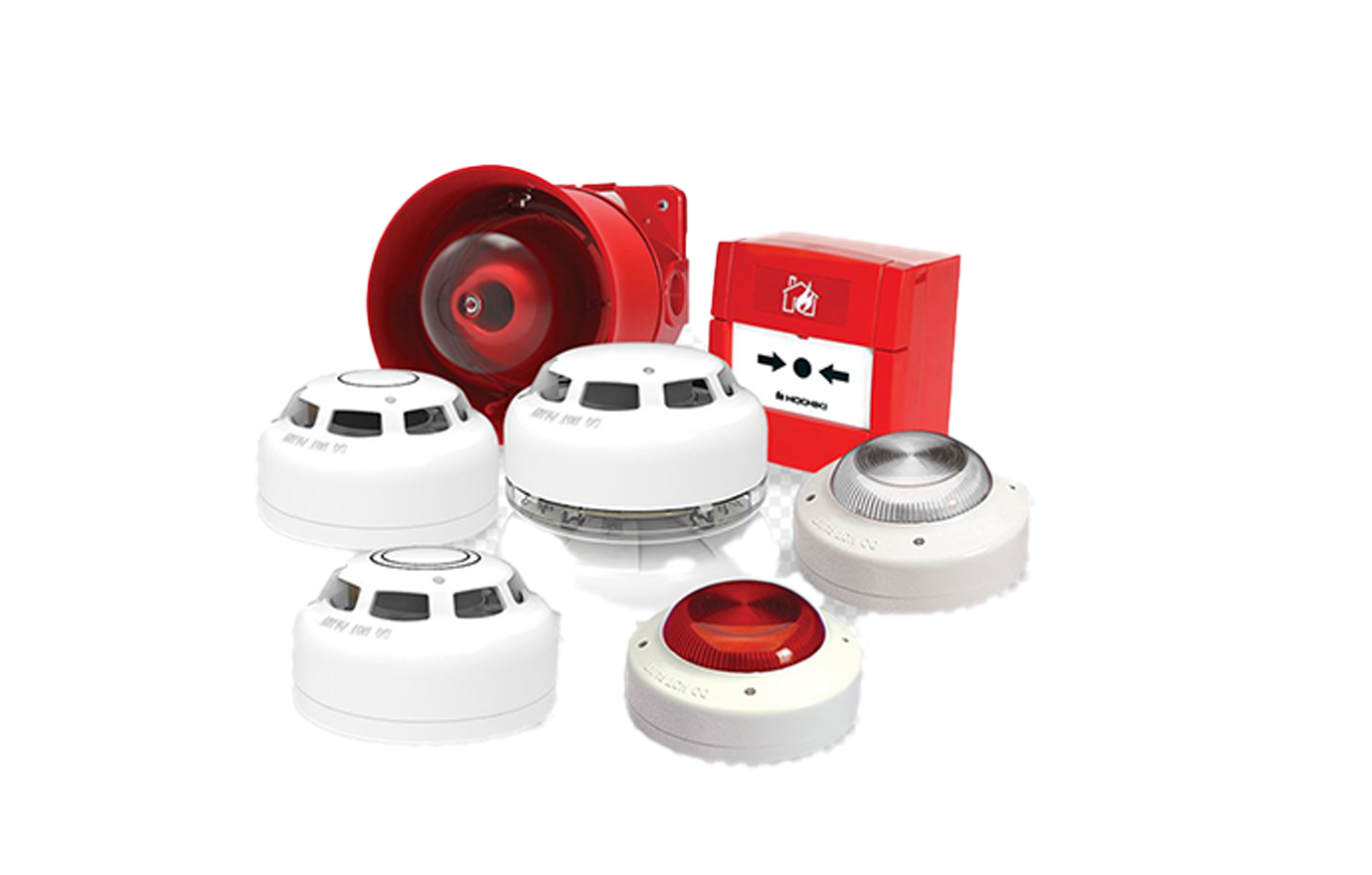
Fire alarms, fire pumps, and fire hoses
Green port fire systems are crucial components of a fire protection system on marine vessels. Fire alarms, fire pumps, and fire hoses are ensuring safety of the crew, passengers, and the ship itself. SOLAS and the relevant rules of the International Maritime Organization.
Features for each of Fire alarms, fire pumps, and fire hoses
Fire Alarms
Smoke Detectors: Can detect the presence of smoke in the atmosphere. There are two main types: ionization detectors and photoelectric detectors. Heat Detectors: Monitor temperature increases and trigger alarms when they exceed a preset threshold.
Audible Alarms: Loud enough to alert all crew members, typically featuring sirens or bells. Visual Indicators: Flashing lights or strobe lights, which are especially important for hearing-impaired crew members.
Zone Segmentation: Fire alarm systems are typically divided into zones, helping identify the exact location of the fire or potential hazard.
Manual Call Points: Allow crew members to manually activate the alarm system in the event of a fire, even if automatic detection is not triggered.
Battery Backup: Fire alarm systems are equipped with a backup power source to ensure functionality in case of power failure.
Centralized Control Panels: Enable fire alarm monitoring and management from a central location, usually bridge or engine control room.
Fire Pumps
Automatic Start: Fire pumps are designed to start automatically when activated by a fire detection system, ensuring quick response.
Water Supply: Fire pumps typically draw water from the ship’s water supply, but many vessels are also equipped with seawater inlet systems to fight fires effectively in an emergency.
Capacity and Pressure: Fire pumps must be capable of delivering sufficient water flow and pressure to fight fires in different parts of the vessel. The capacity is determined based on the ship's size and fire hazard classification.
Multiple Pump Systems: Larger vessels often have multiple fire pumps to ensure redundancy and supply water to different areas of the ship simultaneously.
Pump Monitoring: Modern fire pumps have integrated monitoring systems that track operational status, pressure, and flow rate. This allows crew members to detect issues early and take corrective action.
Power Source: Fire pumps are typically powered by diesel engines or electric motors. There should also be a backup power source to ensure continuous operation.


