



Terminal Accessories are essential components in Marine. Terminal Accessories aid in the efficient and safe operation of marine terminals. Terminal Accessories are used in various functions such as cargo handling, docking, safety, and communication at port facilities.
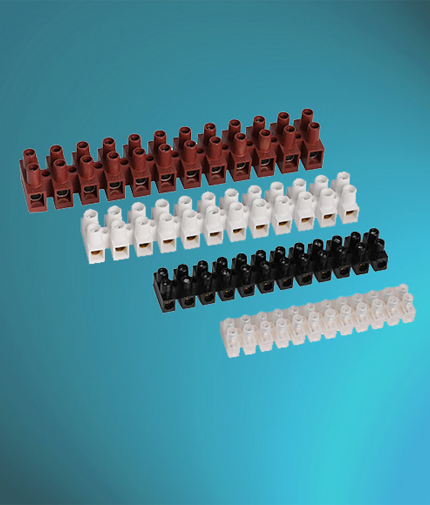
Features of Terminal Accessories
Shore-to-Ship Connection Equipment
Bunker Fuel Transfer Systems: Hoses and couplings used to transfer fuel from the shore to the vessel. Fresh Water Supply Systems: Similar to bunker systems, hoses and connections used to provide fresh water to vessels docked at the terminal.
Access and Transport Equipment
Gangways: Adjustable walkways that allow personnel to safely move between vessels and the dock. Cargo Lift Systems: Platforms or cranes used to load and unload goods from the ship to the terminal or vice versa.
Protection & Maintenance Equipment
Corrosion Control Systems: Protective coatings, anodes, and other anti-corrosion accessories are used to maintain the longevity of terminal infrastructure. Inspection Platforms: Platforms and scaffolding that allow workers to inspect the condition of ships, mooring lines, and other terminal accessories.
Cargo Handling Equipment
Cargo Hooks and Grabs: are used for loading and unloading bulk cargo, such as coal, grain, or general cargo. Cargo Staging Accessories: Platforms, ramps, and equipment used to position goods or containers onto vessels.
Lighting Systems
Docking Lights: LED or floodlights are used to illuminate docks and mooring areas to ensure safe operations during nighttime. Navigational Lighting: Marine terminals may also use specific lighting systems to guide vessels safely into port.
Terminal Accessories are crucial for ensuring safe, efficient, and environmentally responsible operations in marine terminals.
Generators, Transformers, Switchboards, and Batteries
Green Port International are vital for ensuring smooth and reliable operations on board ships, yachts, or offshore platforms. Generators, Transformers, Switchboards, and Batteries are essential components for power generation, distribution, and storage aboard ships or other marine vessels. Transformers are crucial for handling the electrical load and distribution.
Mooring Systems
Mooring Lines & Ropes: Heavy-duty ropes made from synthetic Fibers or steel are used to secure vessels to the dock. They must be resistant to harsh marine conditions like saltwater, UV rays, and extreme weather. Mooring Bollards & Cleats: Bollards are strong, fixed posts at the dock where mooring lines are tied. Cleats are smaller but also used for securing ropes. Both need to be corrosion-resistant and robust. Fender Systems: These protect vessels and piers from damage during docking. They can be made from rubber or foam and are designed to absorb the impact during the docking process.
Safety Equipment
Life-saving Devices: Life jackets, life buoys, and throwable life-saving equipment should be available to ensure crew safety. Safety Nets and Barriers: These help prevent workers from falling into the water and provide protection from hazardous areas. Firefighting Equipment: Fire extinguishers, water hoses, and fire suppression systems are essential for preventing and controlling fires.
Electrical & Communication Equipment
Power Supply Systems: Marine terminals require electricity to support lighting, machinery, and dock facilities. These include high-capacity electrical cables, transformers, and grounding systems. Communication Systems: Radios, intercoms, and signalling devices help maintain communication between the vessel and shore personnel during operations.
Environmental Protection
Oil Spill Kits: To manage the risk of spills, especially from vessels that may leak fuel or other hazardous materials. This includes absorbents, skimmers, and barriers. Waste Management Systems: Equipment to handle waste produced by vessels, such as sewage, garbage, and other refuse.


