



Switchgear
Marine switchgear is essential electrical equipment used on ships and offshore platforms. Switchgear helps ensure the safe, reliable, and efficient operation of electrical systems, preventing overloads, faults, and other electrical hazards. Marine Switchgear is designed to operate in harsh marine environments.
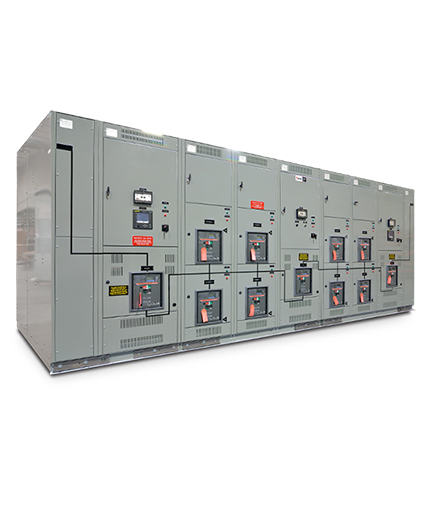
Features of switchgear
Reliability
Marine switchgear must be extremely reliable due to the high cost and risk associated with electrical failure on a vessel. This includes features like redundancy in critical components, ensuring continuous operation.
Vibration Resistance
Marine environments involve constant vibration due to the movement of the ship, so switchgear must be vibration-resistant. This ensures reliable operation without failure, especially in critical situations.
Automation and Control
Modern marine switchgear may include integrated automation and control systems for load distribution, monitoring, and fault detection, often with the ability to communicate with the vessel’s central control system. It can support remote control and management of electrical systems.
Compact Design
Space is often limited on ships, so marine switchgear is designed to be compact while still offering high performance. It is built for easy integration into the vessel’s electrical distribution system, with minimized footprint.
Safety Features
Switchgear is equipped with features to protect against overcurrent and short-circuit conditions, preventing electrical fires and damage to equipment. Safety features like ground fault protection and residual current devices are commonly integrated. Switchgear may include arc-flash protection to prevent damage from electrical arcs, which can occur in high-voltage environments.
Easy Maintenance
The switchgear is designed for ease of maintenance with user-friendly access to components. This ensures quick repairs or servicing even under challenging conditions. Remote monitoring and diagnostics features can also be included to help with preventive maintenance.
Fire Resistance
In addition to being corrosion-resistant, marine switchgear is often designed with fire-resistant materials and insulation to reduce fire risks onboard.
Power Quality Management
Some marine switchgear incorporates power quality monitoring and management features, such as power factor correction, harmonics filtering, and surge protection, ensuring stable and efficient power distribution.
Weather Resistance and Durability
Marine switchgear is built to withstand harsh sea conditions, including high humidity, saltwater exposure, and extreme temperatures. It is often made from corrosion-resistant materials like stainless steel or treated metals to ensure longevity.
Compatibility with Marine Standards
Switchgear used in marine applications must comply with international maritime safety standards, such as those set by the International Maritime Organization or the American Bureau of Shipping. Electrical components are often certified according to these standards to guarantee performance in maritime environments.
These features combine to make marine switchgear crucial for the safe and efficient operation of electrical systems on vessels.


