



Navigation lights are used on boats and Vessel to help ensure their visibility and safe operation during the night or in low visibility conditions. For boats, Navigation lights indicate the direction the vessel is facing and help prevent collisions. Different Colours of Navigation Light Indicate proper direction.
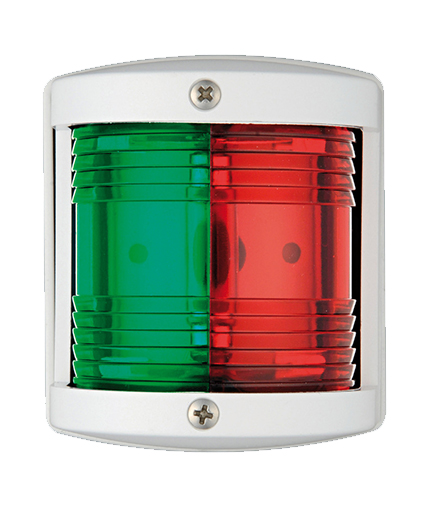
Features of Navigation Lights
Colour Coding-
Red: Port side (left side of the vessel). Green: Starboard side (right side of the vessel). White: Stern light and masthead light (used for visibility from all directions). Yellow: Used in some cases for special purposes (e.g., for fishing vessels or specific zones).
Light Positioning
Port and Starboard Lights: Positioned on the sides of the vessel, typically visible over a 112.5° arc. Stern Light: Positioned on the rear of the vessel, visible over a 135° arc. Masthead Light: Positioned on the top of the mast (or equivalent structure), visible over a 225° arc ahead of the vessel. All-Round White Light: white light visible 360° around the vessel, often used for anchor lights.
Intensity and Range
Navigation lights have specific intensity requirements based on the vessel size and type. Larger vessels typically need lights with a greater range to ensure they can be seen from further away.
Mounting Options
Lights may be designed for mounting on poles, directly to the hull, or integrated into the vessel’s structure, depending on the vessel type.
Power Source
Most navigation lights are powered by the boat’s electrical system, but some are powered by batteries or solar panels, especially on smaller or recreational vessels.
Visibility Angle
The arc of visibility for each light is critical. For instance, port and starboard lights should be visible from 112.5° of the vessel’s side, while the stern light should cover 135° behind the vessel.
Flashing and Non-Flash Options
Some navigation lights, like those on buoys or certain types of vessels, are designed to flash (e.g., every 3 seconds) to increase visibility.
Automatic Operation
Some systems feature automatic sensors that activate the lights when the vessel enters low-light conditions, improving safety.
LED Technology
Modern navigation lights often use LED technology, which is energy-efficient, has a long lifespan, and provides a more consistent light output compared to older incandescent bulbs.


