



Marine lighting for marine environments—whether for aquariums, boats, or underwater exploration. Lightings are specific factors to consider, such as the type of lighting, the needs of marine life, and durability against water exposure. The Light should be shockproof and capable of withstanding pressure.
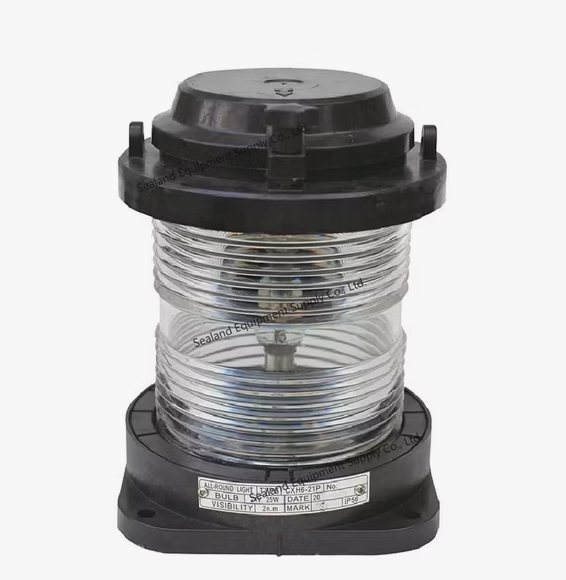
Features of Lighting Systems
Brightness and Visibility
Marine LED Light Bars and Remote Controls: Many modern marine lighting systems come with remote control capabilities or can be integrated with mobile apps or onboard control systems. This allows users to change lighting settings or patterns easily. Dimmer Controls and Timers: Some lighting systems are equipped with timers or dimmer switches for managing power consumption and creating the right atmosphere.
Safety and Emergency Lighting
Emergency Strobe Lights: In case of emergency, marine lighting includes flashing or strobe lights for signalling distress or emergency situations. Escape Route Lighting: For large vessels or ships, there may be emergency exit lighting and pathway lights to guide personnel to exits in low visibility situations.
Automation and Smart Features
LED Technology: Modern marine lighting often uses LEDs because they are energy-efficient, have long lifespans, and emit less heat. This reduces power consumption and minimizes the strain on onboard power systems. Low Power Consumption: Marine lights are designed to be energy-efficient to ensure the longevity of the vessel’s power supply, especially for smaller boats or ships with limited power resources.
Colour Temperature
Warm vs. Cool Light: Depending on the application, marine lighting may have a warm white or cool white light output. Cool white is often used for deck lighting, while warmer tones are used for cabins and other indoor spaces. Coloured Lights: Some boats and ships use coloured lighting for aesthetic purposes or to reduce night-time glare.
Brightness and Visibility
High Lumen Output: Marine lighting needs to provide ample illumination for safety and navigation. Marine lights often have high lumen output to ensure visibility at long distances, especially in low-light conditions or during night-time operations. Adjustable Brightness: Many marine lights feature adjustable brightness settings to accommodate different scenarios, from bright navigation lights to softer, more ambient lighting for the deck or cabin.
Navigation Lighting
Compliance with Maritime Regulations: Marine navigation lighting must adhere to specific regulations to ensure safe movement and communication between vessels. Lights are often designed to emit light in a full 360-degree pattern, especially for navigation or anchor lights.
Durability and Robustness
Waterproof: Marine lighting is designed to withstand exposure to water, including saltwater, which can be corrosive. Corrosion-resistant Materials: Lights are made of corrosion-resistant materials, like stainless steel, aluminium, and marine-grade plastics, to resist the effects of salty air and water. Marine environments are harsh, so lighting fixtures are built to endure constant motion, vibrations, and impacts typically experienced on ships or boats.
These features make marine lighting systems highly specialized for the challenging environment of the sea while maintaining high performance, safety, and energy efficiency.


