



Marine Cales are specialized cables used for a variety of applications in underwater and maritime environments. Marine Cables are designed to withstand harsh conditions like water pressure, temperature changes, and exposure to saltwater. Construction of Marine Cables typically includes layers of insulation.
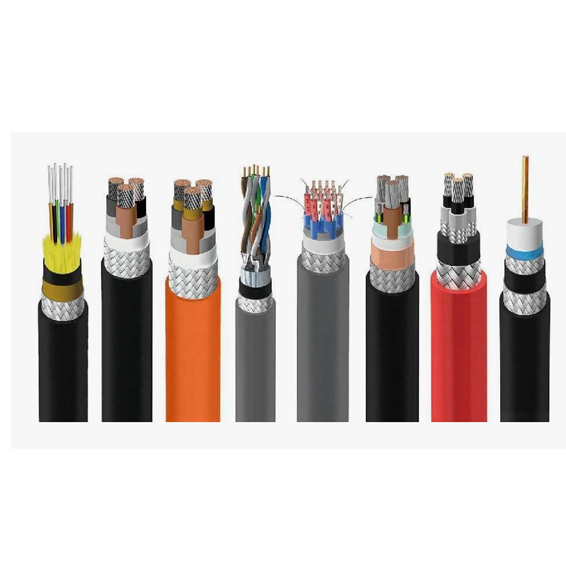
Features of Cables
Graphic Design
Flexible Design- Many marine cables are designed to be highly flexible to withstand the dynamic movement of cables under water, especially in environments with strong currents, wave action, or in underwater robotics.
Web Development
Fire Resistance- In certain applications, marine cables must meet fire-resistant standards, preventing the spread of fire and ensuring that cables do not contribute to further damage in the event of an emergency.
Video Edition
Durability and Strength-Marine cables are designed to withstand mechanical stress from installation, bending, and movement in the water. They often feature strong, flexible outer sheaths to protect against abrasion and physical impact from the sea, rocks, and underwater debris.
Branding
Electrical Insulation- The insulation of marine cables is designed to be highly resistant to electrical faults caused by moisture, saltwater, and underwater currents, preventing short circuits and ensuring safe operation.
Buoyancy
Some cables are designed to be buoyant to prevent them from sinking to the seafloor, while others are designed to sink for specific applications, such as subsea oil rigs or underwater monitoring equipment.
Heavy Duty Armor
Cables that are installed on the seafloor or used for subsea operations often come with heavy-duty Armouring to protect the cable from physical damage and rodent attacks
Temperature Resistance
Marine environments can subject cables to extreme temperature variations, from the warm waters near the surface to the freezing depths of the ocean. Marine cables are built to perform in a wide range of temperatures.
UV Resistance-
Many marine cables are exposed to sunlight when deployed, so they are often equipped with UV-resistant coatings to prevent degradation from sun exposure.
Corrosion Resistance
Marine cables are built with materials that resist corrosion, such as tinned copper conductors, stainless steel Armor, and coatings that protect against saltwater and other corrosive elements.
Waterproofing
Cables are designed to prevent water ingress. This is typically achieved through the use of water-blocking materials like gels or swelling tapes within the cable sheath to ensure no water can enter and cause damage.
Signal Transmission
Marine cables used in communication, control, and monitoring systems (like fiber optic cables) are optimized for high-quality signal transmission even in underwater applications, ensuring minimal signal loss and interference.
These features make marine cables highly reliable for a variety of marine-related applications, including offshore drilling, underwater robotics, communication, and power distribution.


