



Emergency Switchboard for marine use is a critical component of a vessel's electrical system. Emergency Switchboard allows the crew to manage power distribution, ensure safety. Emergency Switchboard activate emergency systems in the event of an incident, such as fire, flooding, or power failure.
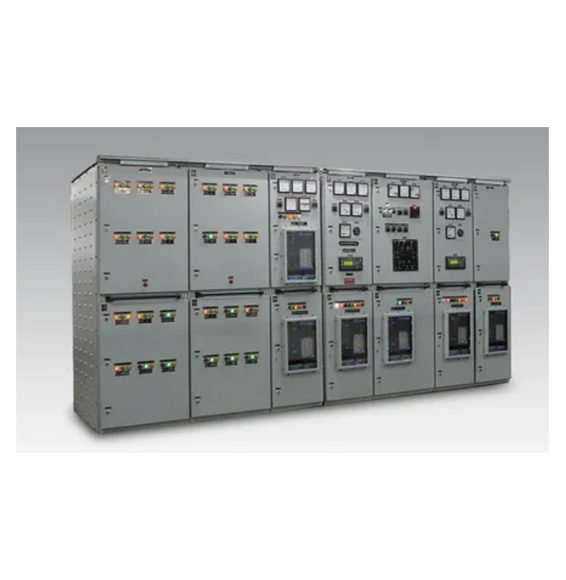
Features of an Emergency Switchboard
Remote Control and Monitoring-
The switchboard may be equipped with remote control capabilities for operators to manage emergency power distribution from a central control room. Monitoring systems like alarms and indicators show the status of the emergency power supply, generator status, and any fault or alarm conditions.
Automatic Voltage Regulation
Some emergency switchboards include automatic voltage regulators to ensure stable voltage levels for sensitive equipment during emergency power supply.
Multiple Voltage Levels
May support multiple voltage levels to cater to different parts of the ship, such as low voltage for general lighting and power, and high voltage for larger machinery or critical systems.
Emergency Power Distribution
In case of a main power failure, the switchboard automatically transfers power to the emergency generator or other backup systems. Emergency circuits are typically separate from the main circuits to ensure that critical systems like navigation, communication, and lighting are operational even when the primary power supply fails.
Emergency Lighting and Communication Systems
Powers essential emergency lighting and communication systems to ensure safe navigation and communication during power outages. Includes navigation lights, emergency alarms, and internal communication systems.
Overcurrent and Short-Circuit Protection
Equipped with fuses and circuit breakers to prevent damage to the electrical system in case of overloads or faults. Selective tripping Ensures that only the affected circuits are disconnected, while the rest of the system remains operational.
Insulation Monitoring
Includes insulation monitoring systems to detect any issues related to insulation resistance, ensuring safe operation and preventing electrical shock hazards.
Generator Control and Synchronization
Emergency switchboards often include control for the emergency generator, including start/stop functionality, monitoring, and synchronization with other power sources if necessary. Load sharing and balancing features ensure the emergency generator is used efficiently.
Manual Override
In case of a system failure or malfunction, operators can manually control the emergency switchboard to restore power or isolate faults.
Emergency Switchboard for marine applications ensures the continuity of essential services on the vessel in case of power loss, improves safety, and complies with maritime regulations. It is an integral part of ensuring safe and efficient operations during emergencies.


