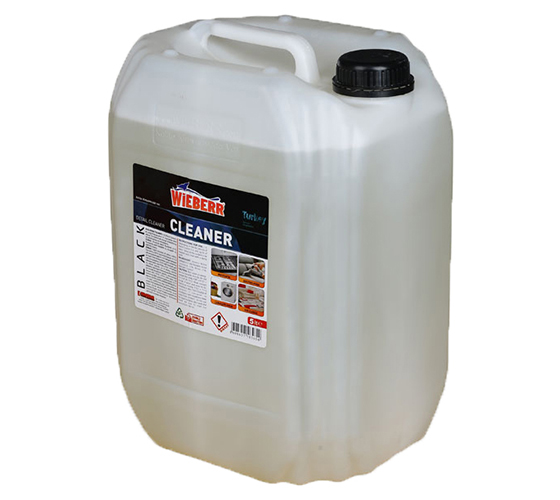
RO Membrane Cleaner
Reverse Osmosis require periodic cleaning to maintain efficiency and extend their lifespan. RO Membrane Cleaners are specially formulated to dissolve these deposits. Always ensure that the cleaner is compatible with the type of RO Membrane being used.
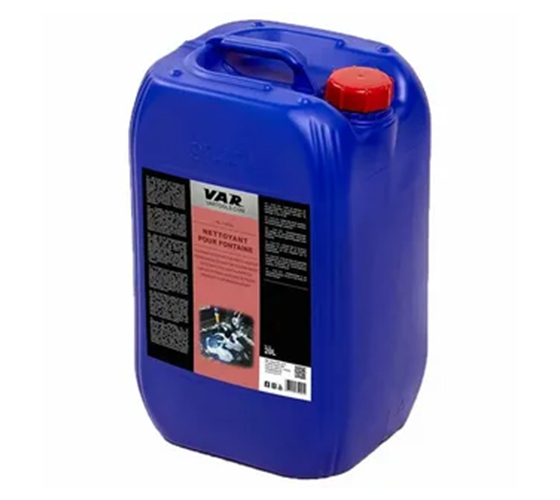
Features of RO Membrane Cleaner
Types of Cleaning Agents
Acid-based cleaners: Used to remove inorganic scaling. Alkaline-based cleaners: Typically used to break down organic matter, oils, and biofilms. Enzyme cleaners: Effective in breaking down specific organic fouling like proteins, starches, or oils. Neutral cleaners: Safe for delicate membranes and used for general cleaning when the fouling is not highly acidic or alkaline.
Biological Control
Some cleaners include biocides or anti-microbial agents to eliminate bacteria, fungi, or algae that may grow on the membrane surface, particularly in systems using surface water or well water.
Effectiveness Against Fouling
Designed to remove a wide range of contaminants that cause fouling on the membranes, including inorganic scales (calcium, magnesium), organic fouling, biological growth (bacteria, algae), and silica deposition.
pH Range
Most cleaners have a specific pH range (acidic or alkaline) designed to handle different types of fouling, with some cleaners being effective at both ends of the pH scale (low or high).
Prevention of Scaling
In addition to cleaning, some cleaners also help in preventing future scaling or fouling by conditioning the membrane surface or controlling the fouling process.
Compatibility with Membranes
RO membrane cleaners are specially formulated to be safe for various types of membrane materials (such as polyamide, cellulose acetate, or composite polyamide), ensuring no damage during the cleaning process.
Concentration and Dosage
RO membrane cleaners typically come in concentrated forms that are diluted with water before use. The concentration varies depending on the type of fouling and the cleaner’s formulation.
Versatility-
Can be used in different stages of cleaning (e.g., routine cleaning, periodic deep cleaning, or emergency cleaning) based on the degree of fouling.
Non-toxic and Environmentally Safe Options
Some cleaners are designed to be biodegradable and non-toxic, which reduces environmental impact during disposal and handling.
Specific Fouling Remediation-
Some specialized cleaners are designed for particular fouling issues, such as high fouling due to oil, heavy metals, or high silica levels.
Efficiency and Cost-Effectiveness
High-quality cleaners restore the performance of membranes, reducing the need for expensive membrane replacements and improving overall system efficiency.
Regular use of these cleaners helps extend the lifespan of RO membranes, optimize system performance, and ensure the quality of purified water.