



Oil Spill Dispersants
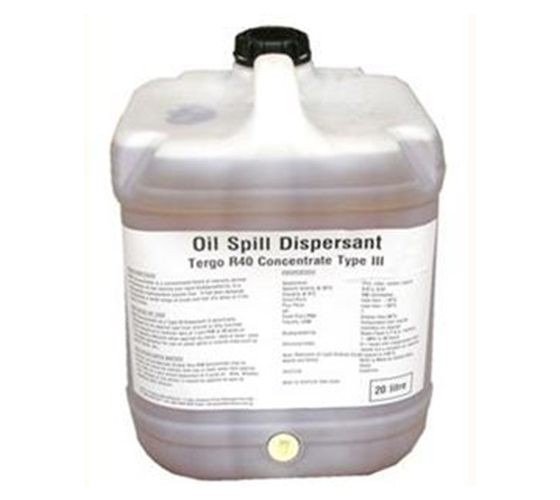
Oil Spill Dispersants are chemicals designed to break up oil spills in marine environments. which are more easily degraded by natural bacteria in the water. Oil Spill Dispersants don't remove the oil but rather aid in its dispersion. Oil Spill Dispersants helping to prevent the oil from reaching shorelines.
Limitations
Limited Effectiveness on Weathered Oil: Over time, as oil becomes weathered, its physical and chemical properties change, making it less susceptible to dispersion. Not a Permanent Solution: Dispersants only assist in oil degradation; they do not eliminate the oil itself.
Features of Marine oil spill dispersants
Mechanism of Action
Emulsification: Dispersants break the oil slick into smaller droplets, allowing them to be emulsified in the water column. Increased Bioavailability: Smaller oil droplets are more accessible to marine microbes, which can more easily consume and degrade the oil.
Effectiveness
Environmental Conditions: The effectiveness of dispersants depends on factors like water temperature, sea state, and the type of oil involved. Cold water temperatures and calm seas can hinder their effectiveness. Oil Type: Light oils disperse more easily than heavy oils. Highly viscous oils or weathered oils may be less susceptible to dispersant treatment.
Composition
Surfactants: The active ingredients in dispersants are usually surfactants, which reduce the surface tension between the oil and water, facilitating the oil’s breakdown into smaller droplets. Solvents: Some dispersants contain solvents that help dissolve the oil and make it easier for the surfactants to act. Water: The solvent is typically diluted with water, making it effective over large areas and reducing toxicity.
Advantages
Rapid Deployment: Dispersants can be applied quickly to contain the spread of an oil spill. Prevents Shoreline Contamination: By dispersing the oil into the water column, it prevents oil from reaching sensitive shorelines, beaches, and estuaries. Reduced Surface Visibility: Dispersed oil becomes less visible, which can be important for responding to large spills quickly and efficiently.


