



Fasteners
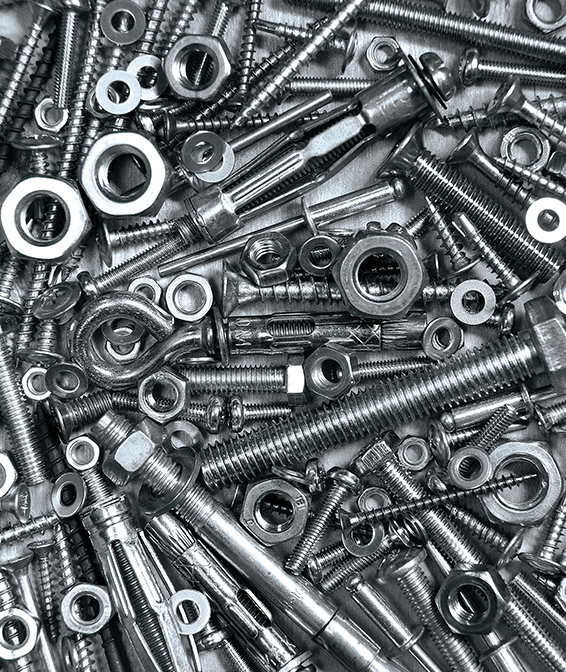
Fasteners are specifically designed to withstand the harsh conditions to saltwater, moisture, and extreme weather can lead to corrosion. Fasteners for marine to select materials that are durable and resistant to rust and corrosion. Ensure that the Fasteners are strong enough.
Features of Fasteners
Strength and Durability
High Tensile Strength: Marine fasteners are designed to withstand significant mechanical loads and stresses, making them suitable for both structural and aesthetic parts of boats and marine structures, many marine fasteners are built to resist damage from impacts, ensuring that they can endure rough marine conditions.
Anti-Vibration Properties
Fasteners in marine environments often face vibration from engines or waves. Marine fasteners are designed with features like locking mechanisms to prevent loosening over time.
Saltwater Resistance
Marine-grade fasteners use alloys or coatings specifically designed to resist saltwater exposure, which is highly corrosive. Some fasteners might be treated with Teflon, epoxy, or other protective coatings to prevent corrosion.
Size and Design Variations
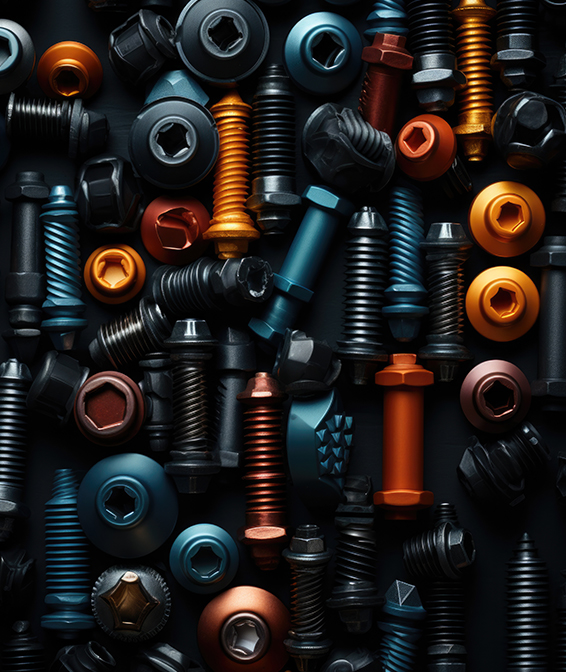
Fasteners come in various sizes, types (bolts, nuts, washers), and configurations designed specifically for the unique needs of marine structures and vessels.
Specialized Threading
Fasteners in marine applications often have specialized threading (e.g., marine thread) designed for better grip in tough conditions like high humidity or saltwater exposure. Some fasteners feature special locking mechanisms or nylon inserts to prevent loosening over time.
Non-Magnetic Materials
Non-magnetic fasteners are sometimes used in applications where magnetic interference could cause problems, such as in navigation or sensitive electronic equipment.
Corrosion Resistance
Marine fasteners are commonly made of high-quality stainless steel, especially grades like 316, which offer superior resistance to corrosion and rust caused by saltwater. Some fasteners are coated with materials like zinc, nickel, or cadmium to provide additional protection against corrosion.
Weather and UV Resistance
Some fasteners are coated or made with materials that can withstand prolonged exposure to UV radiation from the sun without degradation or weakening. Marine fasteners should also perform well under both high and low temperature fluctuations.
Resistance to Galvanic Corrosion
Fasteners must be made from materials that prevent galvanic corrosion when in contact with other metals, particularly in environments where different metals are used in proximity, like on a boat’s hull.
Ease of Maintence
Many fasteners are designed with smooth surfaces that resist buildup of barnacles or algae and are easier to clean. The goal is to use fasteners that require minimal maintenance while providing reliable performance throughout the lifespan of the marine vessel.
Fasteners
Fasteners are specifically designed to withstand the harsh conditions to saltwater, moisture, and extreme weather can lead to corrosion. Fasteners for marine to select materials that are durable and resistant to rust and corrosion. Ensure that the Fasteners are strong enough.
Weather and UV Resistance
Some fasteners are coated or made with materials that can withstand prolonged exposure to UV radiation from the sun without degradation or weakening. Marine fasteners should also perform well under both high and low temperature fluctuations.


