



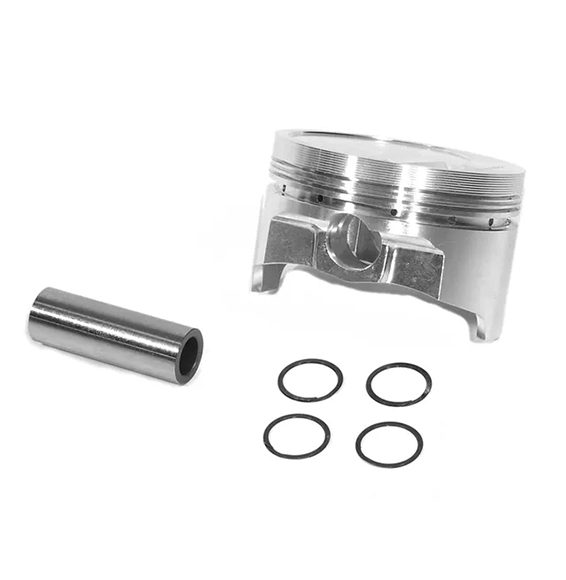
Green port are specifically designed components used in marine engines pistons, typically for boats, ships, or other watercraft. These pistons function similarly to pistons in automotive engines, converting the pressure created by combustion into mechanical energy that powers the engine. Pistons are engineered to handle the unique demands of marine environments.
Features for Belts and Pulleys
Fuel Efficiency
High-quality marine pistons help improve the engine’s fuel efficiency by ensuring optimal compression ratios and combustion processes, which is crucial for reducing operating costs in marine vessels.
High Durability:
Marine pistons are designed to withstand harsh operating conditions, including high levels of vibration, corrosion from seawater, and the high temperatures generated by marine engines
Lubrication Compatibility:
Pistons are designed to work efficiently with the engine’s lubrication system to reduce friction and prevent premature wear. Proper lubrication helps maintain piston longevity, especially in the demanding environment of marine engines.
Heat Resistance:
Marine engines are subject to extreme heat, and the pistons must be able to handle high temperatures without warping or breaking down. Piston materials often include heat-resistant alloys to prevent deformation and ensure engine efficiency.
Thermal Expansion
Marine pistons must account for thermal expansion and contraction due to temperature changes. They are designed with specific clearances and materials that can handle expansion without compromising engine performance.
Piston Cooling Systems
Some marine pistons are equipped with cooling features, such as internal oil passages or cooling galleries, to help dissipate the heat generated by the engine, ensuring proper temperature regulation and preventing overheating.
Piston Rings:
Marine pistons come equipped with specially designed piston rings, which play a vital role in sealing the combustion chamber and controlling oil consumption. The rings must be able to withstand constant exposure to combustion gases, high temperatures, and wear. Precision Manufacturing, Low Maintenance Requirements, Corrosion Resistance, Weight Considerations, Strength and Load-Bearing Capacity:


