



Eye Wash Station is a safety device designed to flush the eyes with water or a special solution to remove hazardous substances such as chemicals, dust, or debris. Different types of Eye Wash Station such as Plumbed Eye Wash Stations, Portable Eye Wash Stations, Combination Stations, Personal Eye Wash Bottles.
Features of Eye Wash Station
Eye Wash Faucets- Dual Spray Nozzles: Provides a continuous flow of water to rinse both eyes simultaneously. Adjustable Flow Rate: Ensures the water flow is gentle but effective, preventing further injury to the eyes. Soft, Wide Stream: Water should flow in a soft, broad stream to minimize discomfort while thoroughly rinsing the eyes.
Eyewash Bowl/ Cup– Contoured Design: The bowl or cup should be ergonomic and designed to comfortably fit the face. Anti-Splash Design: Prevents water from splashing out of the station and ensures it stays contained.
Water Supply– Tempered Water: The water should be tepid (between 60-100°F or 16-38°C), preventing further irritation to the eyes. Constant Water Pressure: Consistent flow of water without fluctuation for at least 15 minutes.
Accessibility- Unobstructed Location: The station should be easily accessible, clearly marked, and located within a 10-second reach of the work area. Hands-Free Operation: Foot pedals, hands-free push bars, or automatic sensors help workers activate the eyewash without using their hands.
Installation & Mounting- Wall-Mounted or Portable: Depending on the environment, stations can either be wall-mounted or portable, making them adaptable to various worksite needs. Sturdy Mounting: Ensure that the eyewash station is securely mounted to avoid tipping or moving during use.
Safety Features- Protective Eyewear Holder: Some stations come with a holder or compartment for safety glasses, promoting eye protection before a potential injury. Emergency Contact Information: Clearly visible information on what to do next in case of an emergency.
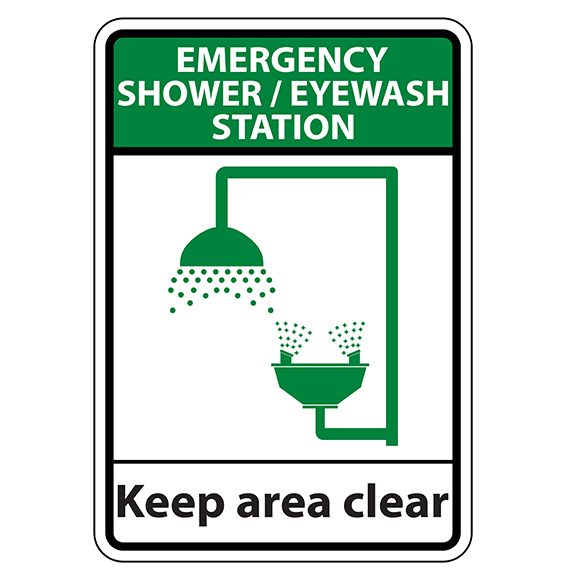
Signage and Visibility- Clear Signage: The eye wash station should have visible signage that indicate its location and usage. Lighting: Adequate lighting around the station ensures visibility, even in dim environments.
Maintenance and Cleaning- Self-Cleaning Mechanism: Helps prevent contamination from dust, dirt, or microbial growth. Regular Flushing System: A built-in flushing system to keep the pipes clean and free of any build-up, ensuring that the water is always ready for use. Simple Cleaning: Easily accessible parts that can be cleaned or replaced as necessary.
Integration with Other Safety Equipment- Location Near Other Safety Equipment: The eye wash station should ideally be located near other emergency equipment, such as emergency showers, first aid kits, and fire extinguishers.
Having a well-equipped and maintained eye wash station can significantly reduce the risk of serious eye injuries in workplaces where hazardous materials are handled.


