



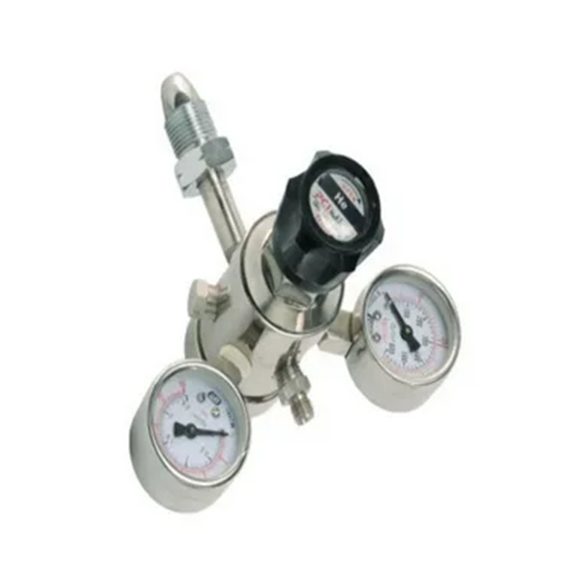
Pressure Regulator is a component used to control the pressure of fluids or gases, such as oil, gas, or water, within pipelines, tanks, or systems. The Pressure Regulators are designed to withstand harsh conditions. Pressure Regulators ensuring the pressure within a pipeline or equipment is maintained at a safe and optimal level, preventing damage to pipelines and other components.
Features of Pressure Regulator
Pressure Control- Automatic Pressure Adjustment: Maintains constant output pressure despite fluctuations in inlet pressure or changes in flow rate. Adjustable Setpoint: The regulator allows adjustment of the pressure to a desired level, providing precise control.
High-Pressure Resistance- Oil and gas operations often involve high-pressure environments. Regulators are designed to handle these pressures without failing or causing leakage.
Temperature Tolerance- Regulators are built to function across a wide range of temperatures, including extreme cold and heat, which are common in oil and gas operations.
Leakage Prevention- Sealing mechanisms are designed to minimize the risk of leaks, especially when dealing with potentially hazardous substances such as natural gas or crude oil.
Noise Reduction- In certain applications, noise reduction features are added to pressure regulators, reducing operational noise in the system.
Pressure Gauge and Indicators- Some regulators include built-in gauges or visual indicators to show the current pressure, making it easier to monitor and adjust.
Flow Rate Management- Stable Flow Control: Pressure regulators help maintain consistent flow rates by adjusting the pressure to meet the system’s needs. Capacity for High Flow Rates: Regulators in the oil and gas industry are often designed to handle high flow rates.
Explosion-Proof and Hazardous Area Ratings- Many oil and gas applications require equipment that can operate safely in explosive or hazardous atmospheres, such as those rated for Zone 1 or Zone 2.
Manual and Remote Operation- Regulators may include manual adjustment capabilities, while some advanced models can be remotely controlled for ease of operation in hard-to-reach locations or hazardous zones.
Durability and Reliability- Due to the demanding environments in oil and gas applications, these regulators are built for long-lasting, high-performance operation, often tested for durability under extreme conditions.
Flow Direction Sensitivity- Certain regulators are designed to ensure the correct pressure regulation regardless of the flow direction, providing flexibility in system design.
Compliance with Industry Standards- Regulators are often designed and built in compliance with stringent safety standards and regulations set by industry bodies, ensuring they meet specific operational and safety requirements.
Compact Design- Many regulators are designed to be compact, making them easy to integrate into existing systems without taking up significant space.
Corrosion Resistance-Regulators are made from materials that can resist corrosion, as they are exposed to harsh chemicals and corrosive gases, ensuring longevity and reliability. Materials like stainless steel, brass, and special alloys are commonly used.
These features make pressure regulators vital for maintaining efficient, safe, and controlled operations in oil and gas industries, where pressure stability is paramount.


