



Face Masks are commonly used as part of personal protective equipment (PPE) to ensure the health and safety of workers. The oilfield environment is often hazardous, with potential exposure to dust, fumes, chemicals, and other airborne contaminants. Face masks help mitigate these risks by providing respiratory protection. Face Masks help reduce the risk of health complications.
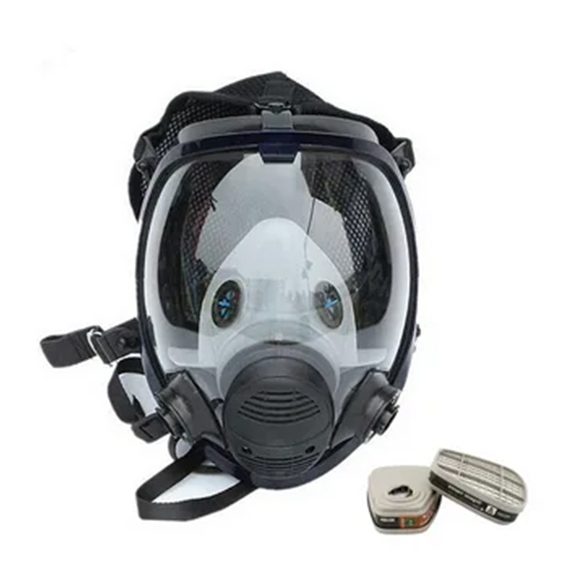
Features of Face Masks
Gas and Chemical Resistance
Cartridge Systems: Many masks feature replaceable cartridges that can be tailored to protect against specific gases or chemicals found in oil and gas environments.
Powered Air-Purifying Respirators: These systems use a battery-powered fan to force air through filters, ensuring the wearer has a constant supply of clean air.
Lubrication Compatibility
Comfort and Fit
Adjustable Straps: To ensure a secure and comfortable fit, many masks come with adjustable straps or headgear.
Ergonomic Design: The design of the face mask often includes features like padded headbands or neck support to reduce strain during long shifts.
Sealing Materials: Masks have soft sealing materials like silicone or rubber around the edges to create a good seal, preventing contaminants from leaking in.
Flame Resistance
Breathability and Airflow
Exhalation Valves: Some face masks have one-way exhalation valves that allow easier exhalation, reducing heat buildup and improving comfort for the wearer.
Ventilation: PAPR systems, for example, provide increased airflow and reduce heat buildup, improving comfort during long periods of use.
Compatibility with Other PPE
High Visibility
Reflective Straps or Colores: For safety reasons, many face masks in the oil and gas industry are designed in bright colours or feature reflective strips to ensure visibility in low-light conditions or at night.
Easy Maintenance and Durability
Durability
Robust Construction: Since workers in the oil and gas industry are exposed to harsh conditions, the materials used in face masks are designed to be durable and resistant to wear and tear.
Impact-Resistant Lenses: Face masks, especially those that cover both the face and eyes, often have lenses made from impact-resistant materials to protect against flying debris and chemicals.
Visibility Features
Protection Against Particulates and Gases
Respiratory Protection: Masks are often equipped with filters or cartridges that provide protection against hazardous particulates like dust, fumes, and mists, as well as toxic gases like hydrogen sulphide (H2S), sulphur dioxide (SO2), and other industrial chemicals.
Multi-Stage Filtration: High-efficiency filters can trap fine particles and airborne contaminants, ensuring clean air for the worker.
Impact and Cut Protection
Ease of Maintenance
Replaceable Components: Filters, cartridges, and other components of the face mask can often be easily replaced to maintain performance.
Cleanable Parts: Many face masks are designed with easy-to-clean materials and components to ensure hygiene and prevent the buildup of dangerous substances.
These features combined help ensure the safety, comfort, and health of workers in the oil and gas industry, allowing them to perform their duties in hazardous environments with reduced risk of respiratory illness or injury


