



Arm Protection is crucial due to the harsh and potentially hazardous conditions. Arm Protection are essential for involving various risks such as exposure to extreme temperatures, harsh chemicals, rough terrain, sharp objects, and moving machinery. Different types of Arm Protection commonly used in oilfields.
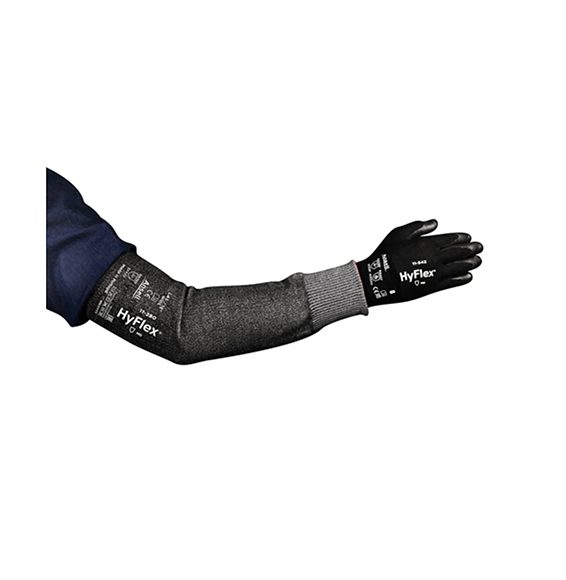
Features of Arm Protection
Comfort and Flexibility
Flexibility and Range of Motion: Workers need to move freely while performing their tasks, so the arm protection should allow for flexibility and ease of movement without restricting motion or dexterity.
Breathability: Arm protection should allow for airflow to keep workers comfortable in hot and physically demanding environments. Materials like moisture-wicking fabrics or breathable textiles help in reducing sweat and keeping the skin cool.
Adjustability: The protection should be adjustable to fit different arm sizes and provide a snug fit, whether it’s in the form of sleeves, gloves, or other arm guards.
Lubrication Compatibility
Material Durability-
Chemical Resistance: Oil and gas environments often involve exposure to hazardous chemicals. Protective sleeves or arm guards should be resistant to chemicals like oils, solvents, acids, and other industrial substances.
Heat Resistance: The materials used in arm protection must withstand high temperatures, especially in areas like refineries or oil rigs where extreme heat from equipment or open flames can pose a danger.
Abrasion Resistance:
Arm protection needs to be resistant to abrasion from rough surfaces, sharp tools, and machinery. Materials like Kevlar or carbon Fiber offer high levels of abrasion resistance
Flame Resistance
Flame-Retardant Properties: Arm protection must be made of flame-resistant (FR) materials to minimize the risk of burns or injuries from fires or explosions. FR fabrics protect the wearer from sudden flames or heat exposure.
Compatibility with Other PPE
Integration with Other Protective Gear: Arm protection should be compatible with other personal protective equipment (PPE), such as gloves, helmets, body suits, and eyewear. This ensures that the entire body is adequately protected without compromising safety or comfort.
Easy Maintenance and Durability
Washable/Reusable: Arm protection gear should be easy to clean and maintain for long-term use. The material should be durable enough to withstand frequent washing, especially in environments where workers are exposed to dirt, oil, and other contaminants.
Visibility Features
High-Visibility colours/Reflective Stripes: Visibility in low-light or hazardous environments is essential for safety. Arm protection often includes high-visibility colours like neon yellow or orange, and reflective strips to ensure workers are seen.
Impact and Cut Protection
Puncture and Cut Resistance: Arm protection should have a high level of resistance to sharp objects and rough surfaces, including metal or glass shards, or sharp edges from tools or machinery.
Impact Protection: With the heavy machinery used in the oil and gas sector, arm guards should absorb impact, protecting against accidental bumps or strikes from tools, pipes, or equipment.
Compliance with Safety Standards
Meets Industry Safety Standards: Arm protection should comply with specific safety regulations such as OSHA (Occupational Safety and Health Administration) standards or ASTM (American Society for Testing and Materials) standards to ensure it provides appropriate protection.
Arm Protection for oil and gas workers should combine durability, comfort, safety, and compliance with industry standards to reduce the risks posed by the work environment.


