



Warning Beacons used for safety and visibility purposes. Warning Beacons help alert workers to potential hazards, such as fires, gas leaks, or equipment malfunctions. Warning Beacons are often mounted on platforms, drilling rigs, or other infrastructure in oilfields.
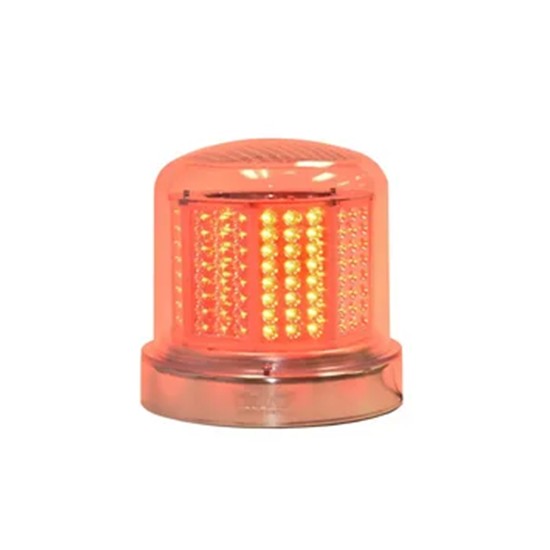
Features of Warning Beacons
Fuel Efficiency
High-Visibility Lighting- Flashing or rotating lights help to ensure visibility from a long distance, even in low-light conditions, fog, or adverse weather. Modern warning beacons often use LED lights, which are energy-efficient, durable, and have long lifespans, reducing maintenance costs. Beacons may use different colours to indicate specific types of alerts or statuses.
High Durability
Automation and Remote Control- Warning beacons are often integrated with automated safety systems, so they can activate in response to specific triggers, such as gas leaks, fire alarms, or system failures. Some beacons can be monitored and controlled remotely, enabling operators to adjust the beacon’s settings or diagnose any potential issues from a central location.
Lubrication Compatibility
Weather Resistance-Warning beacons in the oil and gas industry are built to be weatherproof and resistant to harsh environmental conditions. They typically have high Ingress Protection (IP) ratings to protect against dust, water, and corrosion. Beacons are often made from materials such as stainless steel or aluminium to withstand the corrosive effects of saltwater, chemicals, and extreme temperatures.
Heat Resistance:
Power Efficiency- In remote areas where power availability is limited, solar-powered warning beacons are used to reduce reliance on conventional electricity sources. Many warning beacons have built-in battery backup systems to ensure continuous operation during power outages or in remote locations where external power sources may be unreliable.
Thermal Expansion
Compliance with Industry Standards-Warning beacons for the oil and gas industry are often designed to comply with international standards such as ISO, ANSI, and local regulatory requirements, ensuring they meet safety and operational guidelines. Beacons may be certified for specific industries or environments, guaranteeing their reliability and suitability for use in hazardous conditions.
Piston Cooling Systems:
Size and Mounting Flexibility- Warning beacons are available in different sizes to suit various applications, with options for mounting on poles, walls, or directly on machinery. Beacons can be mounted at various heights and locations to maximize visibility and effectiveness, whether on large offshore rigs or within onshore plants.
Piston Rings
Long Operational Life- With durable materials and long-lasting LED technology, these beacons require minimal maintenance, which is crucial in remote or offshore locations where maintenance teams may be limited. Some beacons feature self-testing mechanisms that allow them to check their own operational status and alert operators to any faults.
Piston Rings
Durability and Robustness- Given the heavy equipment and constant movement in oil rigs and offshore platforms, beacons are designed to be resistant to physical shocks, vibration, and impact. Oil and gas facilities are often subjected to extreme temperatures, so beacons need to function properly in both high and low-temperature conditions.
Piston Rings
Audible Alarms-Many warning beacons are combined with audible alarms (e.g., sirens or horns), providing both visual and acoustic alerts. These can be particularly useful in noisy environments, ensuring the signal is heard.
warning beacons for the oil and gas industry are critical safety devices, designed to withstand harsh conditions, provide clear and visible signals, and ensure continuous operation in potentially dangerous environments.


