



Welding Gloves provide both heat resistance and protection from physical hazards like cuts, punctures, and abrasions. Welding Gloves are designed to withstand high temperatures, rough work conditions, and sharp objects often found in the oil and gas industry. Welding Gloves that water- and oil-resistant or made from waterproof materials. Some gloves feature waterproof materials or coatings to protect against exposure to water, oils, or other liquids that may be encountered during work.
Features of Firefighting Suits
Fuel Efficiency
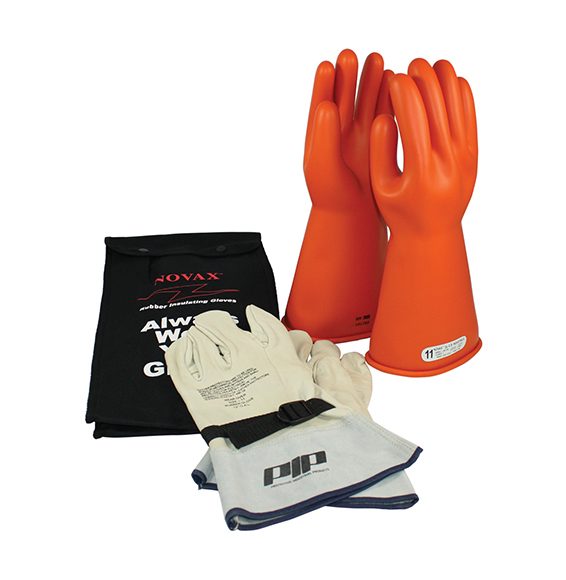
Electrical Resistance-: In some oil and gas operations, electrical work may be involved. Gloves with electrical insulation properties are crucial to protect against electrical hazards, ensuring safety when handling live equipment or wires.
High Durability
Flame-Resistant Material- Welding gloves must be made from flame-resistant materials like leather or specialized synthetic Fibers like Nomex or Kevlar. This ensures that the gloves won’t catch fire easily and provide a layer of protection in fire-prone environments.
Lubrication Compatibility
Heat Resistance-Oil and gas environments often involve high temperatures, especially during welding or working near heat sources. Gloves must be made from heat-resistant materials such as leather, Kevlar, or aluminized fabrics to withstand extreme heat and direct flame contact. Gloves are lined with heat-resistant insulation to protect hands from burns or heat-related injuries during welding or handling hot materials.
Heat Resistance:
Chemical Resistance-Oil and Chemical Protection: Workers in the oil and gas industry might be exposed to various chemicals, oils, or solvents. Welding gloves designed for this environment should be resistant to oils, chemicals, and other hazardous substances.
Thermal Expansion
Flame-Resistant Stitching- Some gloves come with stitching made from heat-resistant or flame-retardant materials to prevent the stitching from catching fire, ensuring the glove maintains its integrity in dangerous conditions.
Piston Cooling Systems:
Cut and Impact Protection- Welding gloves designed for heavy-duty use may have reinforced areas on the palm or fingers to prevent cuts and impact injuries from dropped tools or equipment.
Piston Rings
Long Cuff Design- Welding gloves for the oil and gas industry often feature a long cuff or gauntlet design, offering extra protection to the forearm from sparks, heat, or molten metal splashes.
Piston Rings
Easy Maintenance-Washable and Durable: Depending on the materials used, gloves should be easy to clean, particularly when exposed to oils or chemicals. This helps extend the lifespan of the gloves and ensures they remain effective over time.
Piston Rings
Comfort and Flexibility- Gloves should provide a good fit and comfort to allow for dexterity and ease of movement while handling tools, welding rods, or other equipment. A padded interior provides comfort and reduces hand fatigue during long shifts. This also helps absorb vibrations from tools, reducing strain on the hands.
Piston Rings
Durability- The gloves should be tough enough to withstand abrasions from sharp edges, rough surfaces, and heavy-duty materials commonly found in the oil and gas industry. In addition to heat and abrasion resistance, gloves must provide protection against cuts and punctures from tools, metal parts, or equipment.
Piston Rings
These gloves are essential for safeguarding workers hands in the oil and gas sector while ensuring that they maintain the dexterity and comfort needed to handle tools, perform welding tasks, or work around high-risk environments.


