



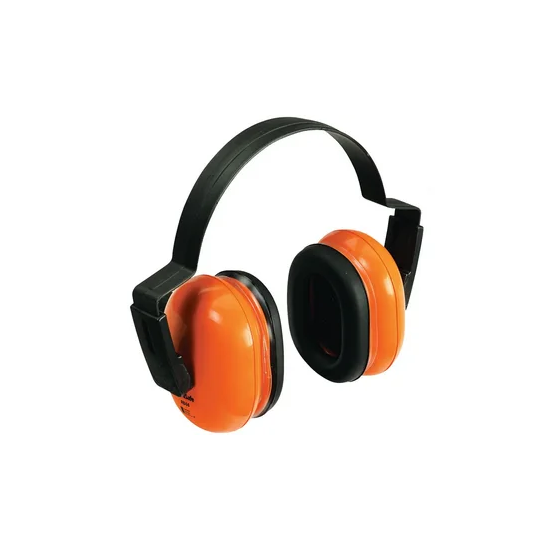
Safety Earmuffs and Ear Plugs are essential for workers in noisy environments like oil fields. Safety Earmuffs and Ear Plugs help to prevent hearing loss caused by prolonged exposure to high decibel levels from equipment, machinery, and industrial operations. For oil field conditions Safety Earmuffs and Ear Plugs should be resistant to heat, cold, and moisture.
Features of Safety Gloves
Fuel Efficiency
Heat Resistance- Protects against burns and thermal hazards when handling hot equipment or working near open flames. Heat-resistant materials such as aramid Fibers or silicone coatings are often used.
High Durability
Electrical Insulation- Protects workers from electrical hazards when working with or around live electrical circuits. Rubber or other insulating materials that offer protection against electrical shocks.
Lubrication Compatibility
Chemical Resistance- Protects against exposure to various oils, fuels, solvents, and other hazardous chemicals. Common materials include nitrile, neoprene, PVC, and rubber, which offer resistance to oils, acids, and other corrosive substances.
Heat Resistance:
Oil and Water Resistance- Gloves are designed to remain functional and comfortable in wet, oily, or slippery environments. Waterproof or water-resistant coatings, as well as anti-slip linings, help workers maintain a secure grip.
Thermal Expansion
Reinforced Palm and Finger Areas- Provides extra durability and protection where gloves experience the most wear and tear. Leather or synthetic reinforcements on palms and fingertips are common in heavy-duty gloves for high-durability applications.
Piston Cooling Systems:
Cold Resistance- Protects workers from freezing temperatures or cold exposure when working in cold environments. Thermal insulations like fleece or synthetic fabrics can be incorporated to keep hands warm.
Piston Rings
Impact Protection-Prevents injury from falling objects or accidental strikes from machinery. Some gloves come with padded or reinforced areas on the back of the hands and fingers to reduce impact force.
Piston Rings
Breathability and Comfort- Enhances comfort during long working hours in various environments. Breathable linings and flexible materials allow for ventilation to reduce sweating and heat buildup inside the gloves.
Piston Rings
Cut and Abrasion Resistance- Provides protection from sharp objects, rough surfaces, and tools often encountered in the oil and gas industry. Gloves often feature materials like Kevlar, steel fiber, or high-performance polymers to increase cut and abrasion resistance.
Piston Rings
Grip and Dexterity- Ensures workers can maintain a firm grip on equipment and tools, even in wet or oily conditions. Gloves may have textured palms, fingers, or entire surfaces to improve grip. Some designs also focus on maintaining finger dexterity for fine tasks.
Piston Rings
Compliance with Safety Standards- Ensures the gloves meet regulatory requirements and industry standards for safety. Gloves are often certified by safety standards like ASTM, EN, or ANSI, which define the specific tests and requirements for protection levels.
These features help ensure that safety gloves for oil and gas workers provide comprehensive protection against the diverse and demanding challenges of the industry.


