



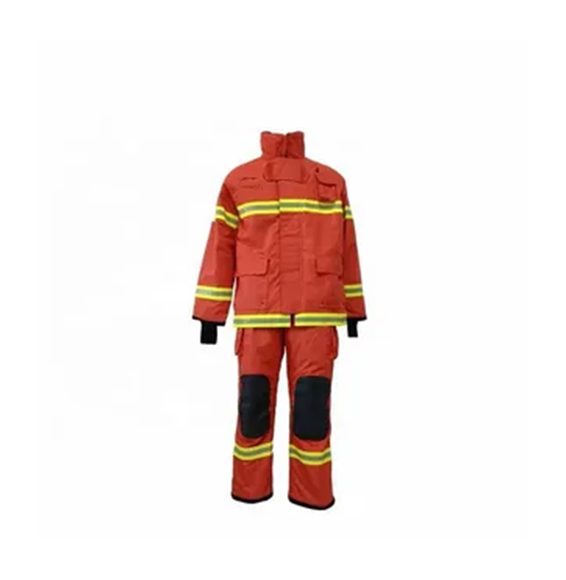
Firefighting Suit is specially designed to protect workers from the extreme conditions they may encounter, such as high heat, flames, and potential chemical exposure. Firefighting suit suits are engineered for durability, comfort, and safety. Firefighting suits in the oil and gas industry are crucial for the safety and well-being of workers.
Features of Firefighting Suits
Fuel Efficiency
Heat and Flash Fire Protection- Multiple layers of insulation are used to prevent heat from reaching the wearer’s skin. The inner layer is typically moisture-wicking, keeping the body cool and dry. Flash fires can occur quickly in volatile environments. These suits are designed to protect against rapid bursts of fire, reducing the likelihood of injury from sudden heat.
High Durability
Flame Resistance- The suit is made from high-performance flame-resistant materials, which can withstand extreme temperatures and direct exposure to flames. These suits provide excellent insulation against heat, reducing the risk of burns when exposed to fire or hot surfaces.
Lubrication Compatibility
High Visibility- Reflective stripes ensure visibility in low-light environments. The suit often has high-visibility reflective strips, making the wearer more visible during night operations or in poorly lit areas. Some firefighting suits come in bright colours like orange or yellow to enhance visibility during emergencies.
Heat Resistance:
Radiant Heat Protection- Some firefighting suits include a reflective outer layer to deflect radiant heat, further reducing the risk of burns from indirect sources of heat.
Thermal Expansion
Chemical and Oil Resistance- The suit may include coatings or materials that resist exposure to hazardous chemicals, petroleum products, and oils commonly found in the oil and gas industry. Suits are often made from materials that prevent water, oil, or chemical penetration, providing protection against hazardous liquids that may splash onto the suit.
Piston Cooling Systems:
Ease of Use and Donning-Firefighting suits are designed for quick and easy donning in emergency situations. This includes features like large zippers, adjustable straps, and a design that allows the wearer to put it on without assistance. Zippers and closures are often waterproof and airtight to provide complete protection from hazardous substances, water, and fire.
Piston Rings
Additional Protective Features- Many suits come with hoods or integrated face shields to protect the head, neck, and face from fire and heat, these areas are reinforced with extra material to offer additional protection from impacts and wear during activities like kneeling or crawling.
Piston Rings
Durability- The outer layers are designed to withstand harsh working conditions, such as rough surfaces and constant wear, ensuring the suit remains intact for long periods of use, To ensure that workers are safe from physical damage, the fabric is highly resistant to tears, punctures, and abrasions, which are common in industrial environments.
Piston Rings
Comfort and Mobility- The suits are designed to offer freedom of movement, with strategically placed stretch panels or articulated joints to allow for flexibility while working. Some suits are equipped with ventilation systems or moisture-wicking properties to help regulate body temperature and reduce heat stress during prolonged use.
Piston Rings
Firefighting Gear Integration- Many firefighting suits are designed to integrate with self-contained breathing apparatus or other personal protective equipment, ensuring a comprehensive protective system. The suit’s design accounts for easy compatibility with gloves, helmets, boots, and other essential firefighting gear.
Piston Rings
A Firefighting Suit for the oil and gas industry is specifically designed to provide full-body protection against extreme heat, chemicals, fire, and other hazardous elements while ensuring the wearer’s comfort and mobility in demanding environments.


