



Automatic Radar Plotting Aid- ARPA is an advanced feature in marine radar systems that automatically tracks and predicts the movement of other vessels. APRA helps mariners with collision avoidance, target tracking, and situational awareness. ARPA is integrated with radar systems.
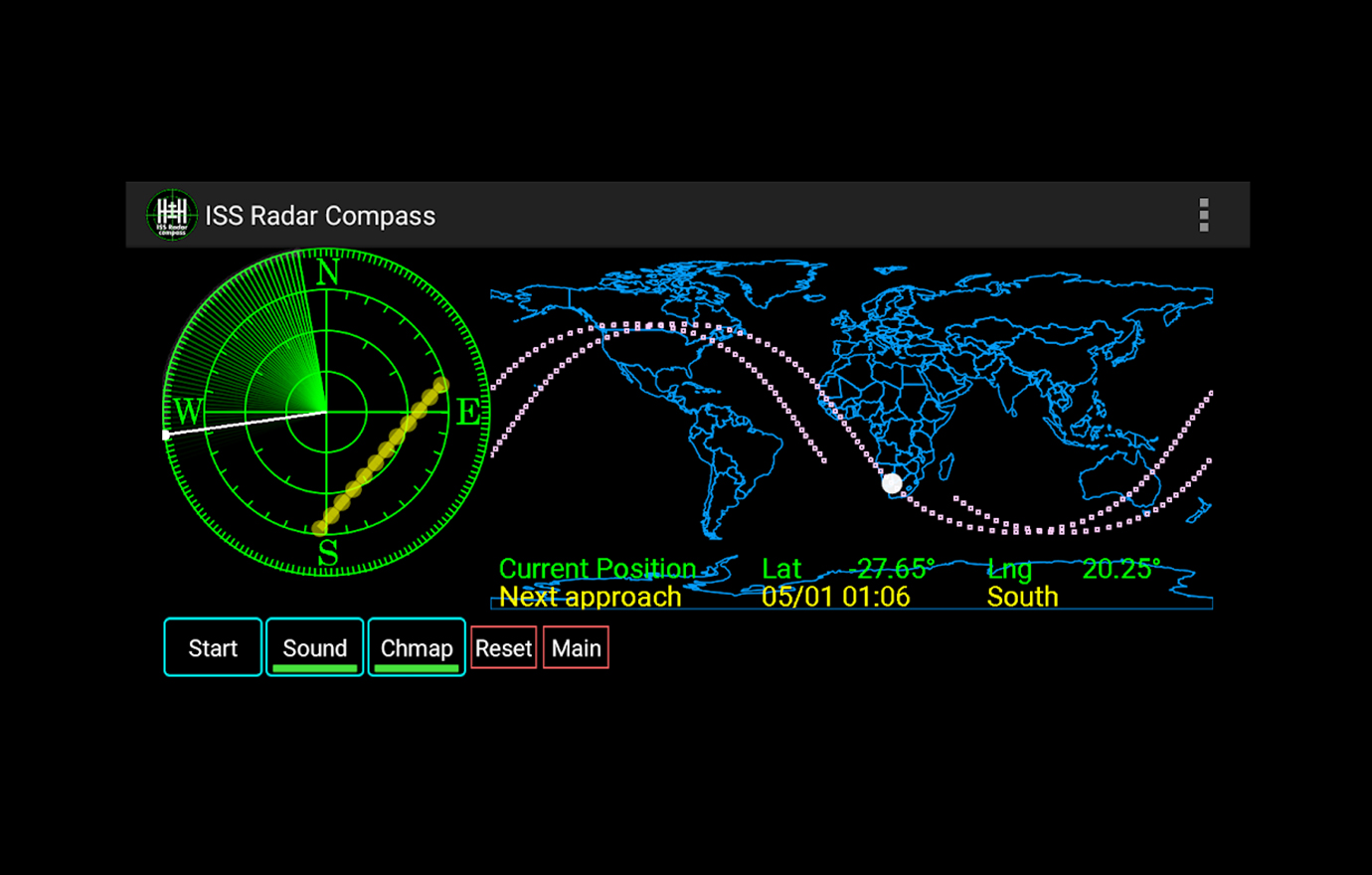
Automatic Target Tracking
ARPA automatically detects and tracks multiple targets in the radar’s field of view, such as other vessels, buoys, or any objects. It calculates the position, speed, and course of these targets.
Collision Avoidance Assistance
ARPA helps in collision avoidance by alerting operators to potential dangerous situations. It can predict when two vessels are on a collision course and provide information about how much time remains before the closest point of approach (CPA).
Warning and Alarms
It provides visual and audible alarms if a potential collision is detected. Warns the operator if a target vessel is on a dangerous course or if the CPA is too close.
Course and Speed Information
ARPA continuously calculates the relative course and speed of targets, allowing the operator to assess the situation and take preventive actions if necessary.
Information Overlays
ARPA can overlay crucial information about tracked targets on the radar display, such as course and speed, which helps the operator make decisions quickly.
Vector Display
ARPA often displays vectors on the radar screen to show the predicted path of each tracked target based on their current speed and course. These vectors are continuously updated in real-time as the targets move.
Historical Data (Trail Display)
ARPA may display historical tracks or trails for each target, allowing the operator to visualize its past movement and better predict future behaviour.
Data Recording
Some ARPA systems can record and store radar data, which can be reviewed later for analysis or investigation purposes, such as in case of an accident.


