



Autopilot systems
Green Port International autopilot system for marine vessels help with navigation by automatically steering a boat or ship along a set course. Autopilot systems can range from basic systems for small boats to advanced. Basic Autopilot system Maintains a straight course and adjusts for minor corrections.
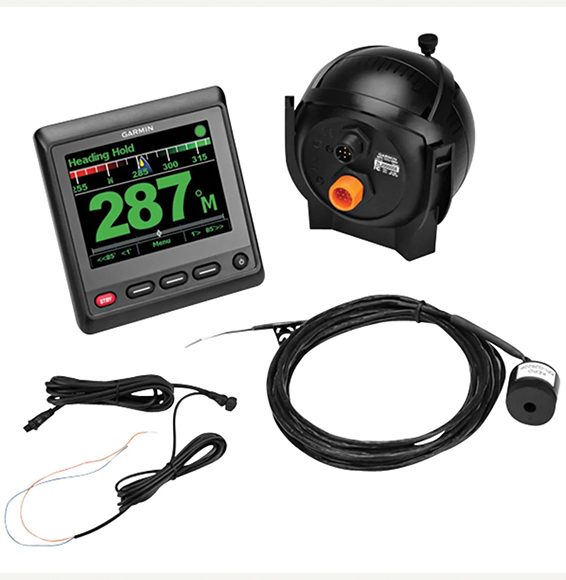
Features
Navigation Assistance
Flight Path Management: In aviation, autopilots can automatically follow a pre-programmed flight path, adjusting altitude, heading, and speed Route Optimization: Autopilot systems can adjust the course based on wind conditions, traffic, or other environmental factors. Auto-Altitude: Maintaining a constant altitude or transitioning between flight levels in aviation or adjusting elevation in automobiles and boats.
Speed Control
Speed Regulation: Autopilots can adjust the throttle to maintain a set speed, either cruise speed or adjusted for conditions. Cruise Control: In automobiles, autopilot systems may include advanced cruise control features to maintain speed and distance from other vehicles.
System Monitoring and Alerts
Operator Alerts: Autopilot systems will alert the operator if manual intervention is required. System Health Monitoring: Advanced systems continuously monitor their own health and functionality, alerting the operator to any malfunctions.
Collision Avoidance
Obstacle Detection: Using sensors (such as radar, lidar, or cameras), autopilot systems can detect obstacles in the vehicle’s path. Automatic Emergency Braking: In automotive autopilot systems, the vehicle can automatically apply brakes if a collision risk is detected. Traffic Awareness: Automotive systems can sense other vehicles on the road and adjust the vehicle’s path or speed accordingly.
Steering and Direction Control
Heading Control: The system can maintain a specific heading, steering the vehicle along a set course. Course Adjustments: In aviation, autopilots can adjust for minor deviations or changes in wind to keep the flight path on track.
Driver or Pilot Assistance (Automotive and Aviation)
Lane Keeping: In automotive autopilots, the vehicle can stay within lanes, adjusting steering as needed. Autonomous Parking: Some automotive systems can automatically park the vehicle, either in parallel or perpendicular spots. Pilot Assistance: In aviation, autopilot helps the pilot by managing routine controls, allowing the pilot to focus on higher-level tasks like communication and decision-making.
Remote Control or Monitoring
Remote Override: Some autopilot systems allow for remote control, enabling operators to monitor or take control of the vehicle remotely if needed. Cloud Connectivity: Advanced systems can connect to the cloud for real-time updates, system diagnostics, or even route changes.
Self-Learning and Updates (Advanced Systems)
Over-the-Air (OTA) Updates: In automotive autopilot systems, software updates can be delivered remotely, improving system performance and adding new features. Autonomous Navigation: Some modern autopilot systems, especially in vehicles like Tesla’s or drones, are designed to function autonomously, without needing specific pre-programmed routes.


