



GPS receiver is a device that uses signals from satellites to determine its location on Earth. GP receiver calculates the receiver's position by measuring the time it takes for signals from at least four GPS satellites to reach the receiver. GPS receiver can provide information such as latitude, longitude, altitude, and speed.
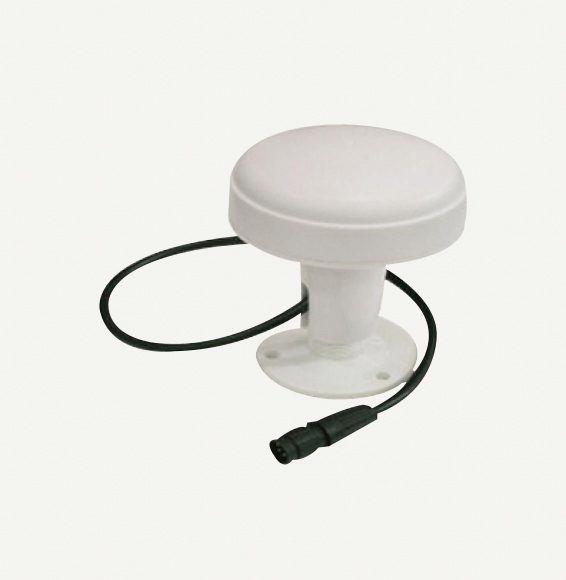
Features for GPS Receivers
Accuracy
Position Accuracy: The GPS receiver should provide accurate position readings, often within a few meters, depending on the type of GPS technology. Differential GPS (DGPS): Improves accuracy by using ground-based stations to correct GPS signals.
Power Management
Long Battery Life: GPS receivers should have a battery that lasts for extended periods, especially in outdoor or mobile contexts. Power Saving Modes: Options like auto power-off or dimming the display when idle.
Navigation and Routing-
Turn-by-Turn Navigation: Provides audible or visual guidance for driving, walking, or cycling. Route Planning: Allows users to enter destinations and choose specific routes. Real-time Traffic Updates: Receivers that support real-time traffic information to avoid congestion.
Sensitivity
Signal Sensitivity: Determines how well the GPS receiver works in challenging environments, such as urban canyons or dense forests. Multi-frequency Support: Receivers supporting multiple GPS frequencies can improve sensitivity and accuracy, especially in tough environments.
Data Logging and Tracking
Track Recording: GPS receivers can log positions over time to create a path or track that can be reviewed later. Waypoint and Route Saving: Ability to save important locations or routes for future reference.
Connectivity
Bluetooth/Wi-Fi: Some GPS receivers allow you to connect to mobile apps or other devices for data sharing or updates. USB/Serial Ports: For data transfer to and from computers or other devices. NMEA Compatibility: Standard protocol for GPS receivers, useful for integration with other navigation equipment.
Support for Multiple Satellite Systems
GLONASS, Galileo, Bidou: Receivers that support multiple satellite systems (not just GPS) can provide better accuracy and reliability in areas with weak GPS signals.
Display and Interface
Touchscreen vs. Button Controls: Some receivers use touchscreen interfaces for easy navigation, while others rely on buttons for durability. Screen Resolution: Higher resolution provides clearer maps and information. Backlight: Allows for easier reading in low-light conditions.
Maps and Terrain Data
Preloaded Maps: GPS receivers with detailed maps of regions, cities, or even off-road trails. 3D Terrain View: Visual representation of the landscape that can be useful for outdoor navigation like hiking or mountain biking.
Environmental Resistance—Multi-User and Multi-Device Syncing—Geocaching Support—
Altitude Measurement—Customizability and User Settings


