



Green Port International llc distribute all types of marine water Pumps: There are several types of Pumps. Each Pumps suited for specific purposes, such as bilge pumping, fuel transfer, water circulation, and more. Marine pumps are essential components on ships and offshore platforms, providing critical functions for propulsion, ballast, cooling, fuel transfer, and wastewater management.
Wide Range of Applications
Ballast Pumps: Used for adjusting the ballast to maintain vessel stability.
Bilge Pumps: To pump out water accumulating in the bilge, preventing flooding.
Cooling Pumps: For cooling engines, machinery, and other systems.
Fuel Transfer Pumps: For transferring fuel between tanks.
Wastewater pumps: For handling sewage or Gray water.
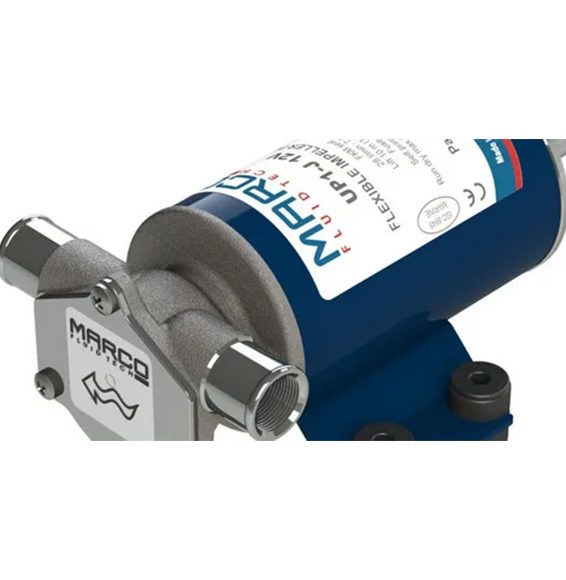
Features of Pumps
Energy Efficiency
Marine pumps are designed to operate efficiently to reduce fuel consumption and operating costs. Efficient energy use is critical for reducing a ship’s overall carbon footprint. Many pumps feature variable-speed motors that adjust to operational needs, conserving energy when full capacity is not required.
Durability and Reliability
Marine pumps are built to handle continuous operation under demanding conditions, ensuring minimal downtime and long operational life. Pumps are designed to resist vibration and shocks that occur during ship operations, ensuring stable performance.
Corrosion Resistance
Marine pumps are typically made from corrosion-resistant materials such as stainless steel, bronze, or special alloys to withstand the harsh saltwater environment. Special coatings or corrosion inhibitors are often applied to enhance longevity.
Automation and Monitoring Systems
Many modern marine pumps are equipped with sensors and control systems that allow for remote monitoring and diagnostics. Some pumps automatically adjust their performance based on real-time data, ensuring optimal operation.
Customization for Specific Needs
Depending on the vessel’s purpose, marine pumps come in a variety of sizes and flow capacities to suit specific needs, from small boats to large cargo ships. Marine pumps often adhere to international standards and regulations to ensure minimal environmental impact, particularly in handling bilge water or wastewater.
Seawater Handling
Marine pumps are engineered to handle seawater with high salinity without degrading or clogging. Pumps are often designed to cope with water containing debris, sludge, or small particles, which is common in marine environments.
High Flow Rates and Pressure Handling
Pumps can handle a range of flow rates and pressures depending on the application, such as high-pressure fuel pumps or high-flow bilge pumps.
Low Maintenance
Many marine pumps are designed with ease of maintenance in mind, including easy access to components for cleaning, repairs, or parts replacement.
Temperature Tolerance
Some pumps are designed to operate in high-temperature environments, such as engine cooling systems, without degradation of performance.
Self-Priming Capability
Many marine pumps are self-priming, which allows them to start pumping without manual intervention, even if air or vapor has entered the system
These features combined make marine pumps versatile, reliable, and suitable for the unique challenges of maritime environments.


