


Fuel Injectors
Green Port International supply all kind injectors for marine engines are designed to deliver precise amounts of fuel into the engine's combustion chamber. Fuel Injectors helping ensure efficient operation, improved fuel economy, and reduced emissions in marine vessels. Fuel Injectors are typically used in modern marine engines that utilize electronic fuel injection systems.
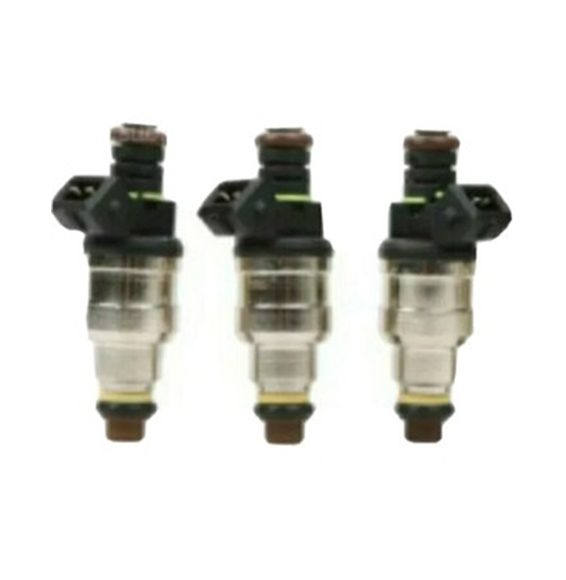
Features for fuel injectors
High-Pressure Injection
Marine injectors operate under high-pressure conditions, ensuring that fuel is injected with precision to achieve proper combustion. This can help improve fuel efficiency and reduce emissions, which is critical for marine vessels that adhere to environmental regulations.
Efficient Fuel Delivery
Marine injectors are designed to deliver precise amounts of fuel at the right time for optimal combustion, improving engine efficiency. Many marine injectors offer multiple spray patterns for better atomization of fuel, ensuring smooth engine operation.
Durability and Longevity
Marine engines are often subjected to prolonged hours of operation. Marine fuel injectors are built to endure heavy-duty usage, with a design focused on longevity and reliability over time. They often feature high-strength components to prevent wear and tear, particularly in the presence of contaminants in fuel.
Corrosion Resistance
Marine environments are harsh, with high humidity, saltwater exposure, and extreme weather conditions. Marine fuel injectors are designed to be corrosion-resistant, often made from materials like stainless steel or coated with special anti-corrosive layers to withstand these conditions.
Advanced Technology
Electronic Fuel Injectors: Most modern marine engines use EFI systems, which rely on electronic injectors to manage the timing and amount of fuel injected. These injectors can be controlled by the engine’s Engine Control Unit for optimized fuel usage. Some marine fuel injectors come with advanced features like solenoid-operated or piezoelectric technology for quicker response times and better fuel delivery precision.
Compatibility with Various Fuels-Integration with Fuel Management Systems-
Flow Rate and Volume Control-Emissions Control-Temperature and Pressure Tolerance-
Fuel Atomization-Maintenance and Cleaning-


