



Life jacket
Life Jackets also known as a personal flotation device (PFD), is a crucial piece of safety equipment designed to keep individuals afloat in water. Life Jacket is essential for activities such as boating, swimming, and water sports. Life jackets are typically made from buoyant materials like foam or inflatable components that provide the necessary flotation to keep the wearer's head above water.
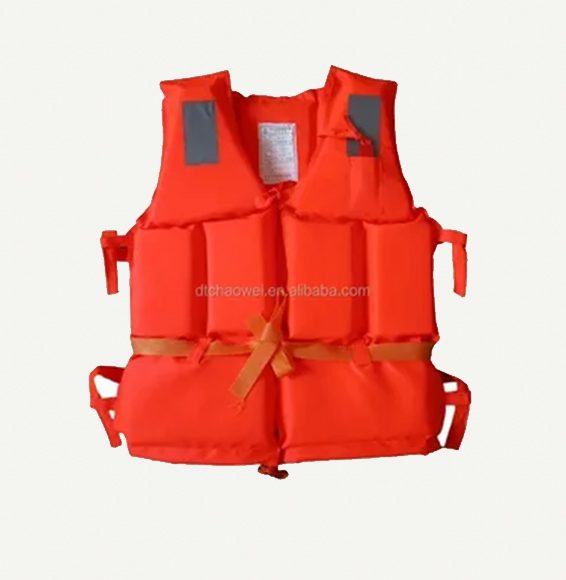
Features of Life Jacket
Life jackets are designed to provide buoyancy, helping the wearer stay afloat. The buoyancy is usually provided by foam or inflatable materials that displace water and keep the person above the surface.
Most Life jackets use closed-cell foam, which is lightweight and water-resistant. These jackets have air chambers that can be inflated when needed, providing buoyancy.
Many life jackets Many life jackets come equipped with a whistle attached to the front or a strap for signalling distress in case of emergency.
Types of Life Jackets
Type I – Offshore Life Jackets
Designed for open, rough, or remote waters where rescue may be delayed. High buoyancy, Provides the most flotation, even when unconscious, often includes a collar to support the head.
Type II – Near-Shore Vests
Intended for calm waters where quick rescue is expected, Moderate buoyancy, Helps turn an unconscious person to a face-up position, lightweight and comfortable.
Type III – Flotation Aids
Designed for calm water activities, Lighter and more comfortable than Types I and II, doesn’t turn the wearer face-up if unconscious, but allows for greater mobility.
Type IV – Throw-Overboard Devices
Not worn but thrown to a person in distress, No shoulder straps, designed to be thrown to someone who can grab it, include throwable cushions or ring buoys.
Type V – Special Use
Designed for specific activities like waterskiing, kayaking, or sailing, Requirements vary by activity, but generally offer good mobility and comfort, May offer less buoyancy.


