



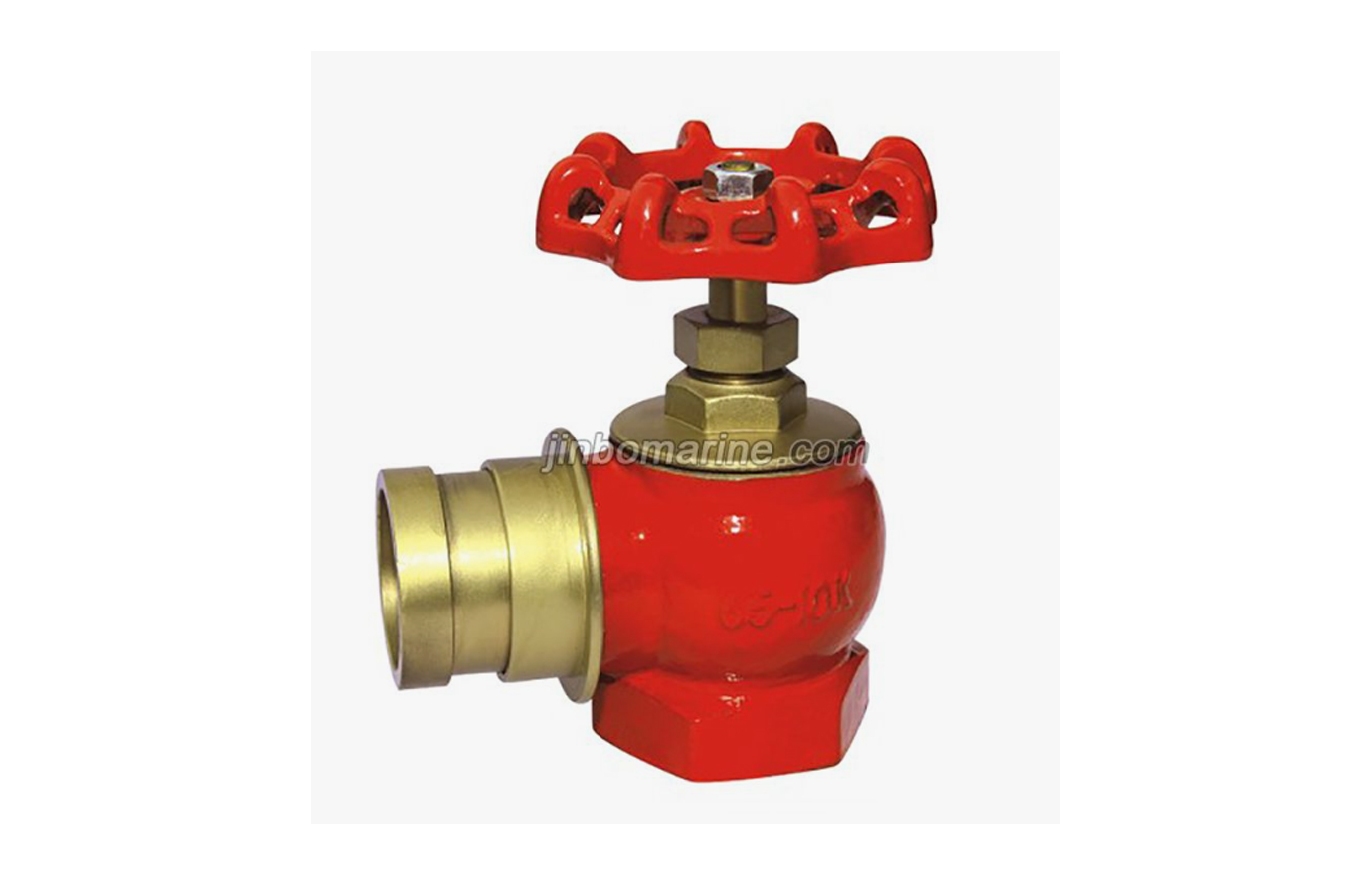
Fire Hydrant
Green Port Marine Fire Hydrant is a crucial component of a city's fire protection system. Fire Hydrant provides access to a water supply, allowing firefighters to quickly connect hoses and fight fires. Fire hydrants are typically made of durable materials like cast iron and can be found on sidewalks, streets, or near buildings. Fire Hydrant comes in different types, including wet-barrel and dry-barrel hydrants, depending on the region's climate and water system.
Features of Fire Hydrants
Marine environments are harsh, with saltwater exposure leading to corrosion. Fire Hydrants are made from corrosion-resistant materials such as stainless steel or special alloys designed to withstand saltwater corrosion.
Fire Hydrants on ships are designed to be compact, easy to access, and able to function in high-pressure situations. Fire Hydrants are typically designed to be operated manually and provide immediate water flow.
Fire hydrants are designed to be compact, easy to access, and able to function in high-pressure situations. Fire hydrants are typically designed to be operated manually and provide immediate water flow.
Fire hydrants are designed to handle high-pressure water flows to ensure they can effectively extinguish fires in large and difficult-to-reach areas.
Fire hydrants have standard hose connections, usually international or marine-specific couplings, ensuring compatibility with fire hoses and other firefighting equipment used on the ship.
Fire hydrants are connected to the vessel's fire main system, which is a network of pipes running throughout the ship to provide water for firefighting. Fire hydrants is often pressurized and may include pumps to increase water flow during an emergency.
Fire hydrants are strategically placed throughout the ship in easily accessible locations, particularly in high-risk areas like engine rooms, accommodation spaces, and cargo holds. Fire hydrants should be clearly marked for quick identification in an emergency.
Fire hydrants often include an emergency shut-off valve to control water flow in case of a malfunction or the need to direct water flow to a different location. For cold environments the Fire hydrant system may include frost-proofing features to prevent freezing and ensure functionality in extreme temperatures.

Materials
Fire hydrants may have manual valve controls or may be integrated into automated firefighting systems that can be operated remotely for easier use in high-risk situations. Fire hydrants are often incorporated to avoid damage to the system from excessive pressure and to ensure that the fire hydrant operates within safe pressure limits.
Many Fire hydrants use quick-disconnect couplings to speed up the connection process to fire hoses and minimize the time between identification of the fire and the start of firefighting efforts. Fire hydrants are designed to be easy to maintain with features such as drain plugs to remove residual water after use, allowing the system to be kept in working condition. Hydrants are fully integrated into the ship’s firefighting system, working with other equipment such as fire pumps, sprinklers, and deluge systems for coordinated firefighting efforts.
These features make marine fire hydrants an essential part of a ship's fire safety infrastructure, ensuring effective response to emergencies.


