


Lubricants and Oils
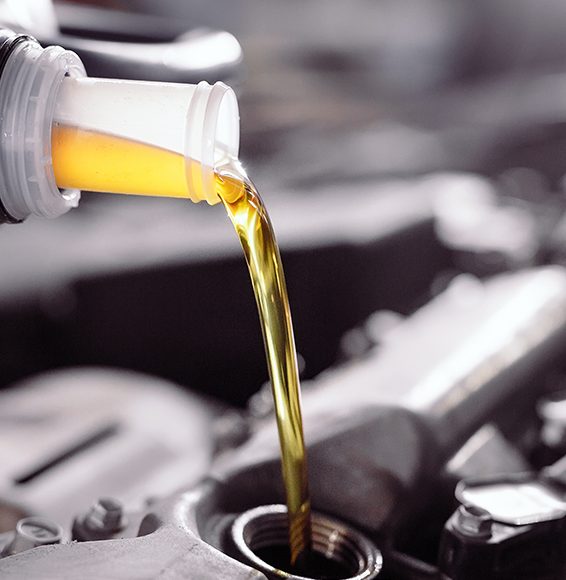
Green Port International lube oil supply are essential for maintaining the performance, reliability, and longevity of various marine engines and equipment. Marine lubricants are designed to be eco-friendly. Oil and Lubricant to maintain the warranty and ensure optimal engine performance.
Features of Lubricants and Oils
High Viscosity and Temperature Stability
Marine lubricants are designed to operate effectively at high temperatures, which are common in marine engines due to their heavy-duty performance. They maintain their viscosity (thickness) and performance even under extreme heat, helping to reduce wear and tear on components.
Long-Lasting Performance
Marine oils are designed for long service intervals, allowing for extended periods between oil changes. This reduces downtime and maintenance costs for operators while ensuring that engines remain well-protected over time.
Enhanced Wear Protection
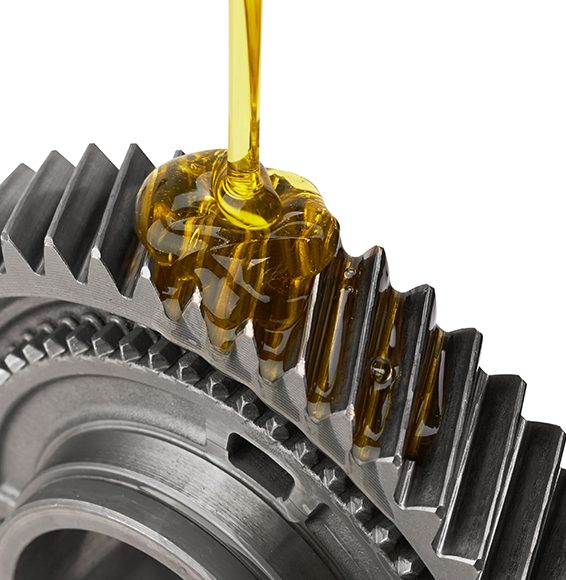
These oils contain additives that reduce friction between engine components, minimizing wear and tear and extending the life of engine parts like pistons, bearings, and gears.
Emissions Control
Some marine oils are formulated to reduce harmful emissions from engines, helping ships comply with international environmental regulations. These oils help in reducing exhaust smoke and the production of harmful gases like nitrogen oxides.
Oxidation Resistance
Marine oils are resistant to oxidation, which can cause the lubricant to break down or form harmful deposits over time. This ensures that the oil remains effective over extended periods, especially during long voyages or in demanding operating conditions.
Fuel Economy Enhancement
Many marine oils are formulated to reduce engine friction, which can lead to improved fuel efficiency. This is critical for long voyages where fuel consumption can have a significant impact on operational costs.
Detergent and Dispersant Properties
Marine lubricants often include detergent and dispersant additives, which help prevent the build-up of sludge, carbon deposits, and other contaminants inside the engine. This ensures that the engine runs smoothly and efficiently.
Corrosion Protection
Marine environments are often salty and humid, which increases the risk of corrosion. Marine lubricants are formulated with anti-corrosion additives to protect engine parts and other critical systems from rust and damage caused by saltwater exposure.
Water Resistance
Marine oils are resistant to water contamination, which is especially important in the marine environment. The oils are formulated to perform well even when exposed to water or when the vessel operates in conditions with high humidity or potential water exposure.
Eco-friendly Formulations
With increasing emphasis on environmental sustainability, some modern marine lubricants are designed to be biodegradable and less harmful to marine ecosystems, aligning with the industry’s push for greener, more sustainable solutions.
Low-Soot Formation
Marine engines, particularly those running on heavy fuels, tend to produce soot. Marine lubricants are designed to minimize soot formation, helping to keep the engine clean and reducing the frequency of maintenance.
Compatibility with Different Engine Types
Marine lubricants are engineered for use with various engine types, including two-stroke, four-stroke, and diesel engines. They can be formulated to meet the specific needs of each engine type.
Proper selection and use of high-quality lubricants help shipowners and operators ensure that their vessels perform at peak efficiency and comply with regulatory standards


