



Marine Relays
Relays are specialized electrical switches employed in marine environments to regulate circuits and oversee electrical systems on ships, boats, and other watercraft. These Relays are designed to withstand harsh marine environments. while Relays ensuring reliable operation in critical systems.
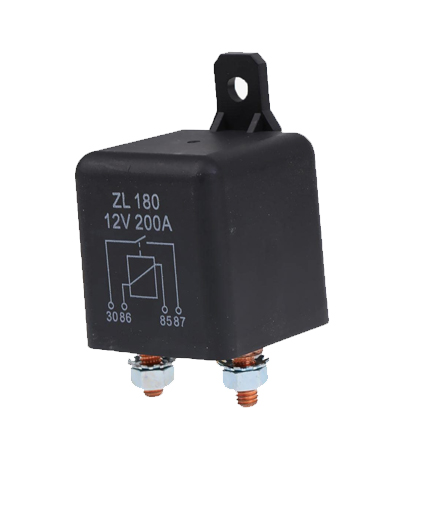
Features of Relays
Thermal Management-
Marine relays often incorporate designs that help dissipate heat to prevent overheating, ensuring proper function over extended periods.
High Current Capacity-
Marine relays are built to handle high currents typically required by marine systems, such as for starting engines or operating large electrical equipment like winches, pumps, and lights. The relay contacts are designed to handle significant amperage without wear or failure.
Low Power Consumption
Marine relays are designed to be energy-efficient, reducing power consumption when in standby or idle mode, which is essential for long voyages where energy conservation is a priority.
Easy Integration
Relays often come with standardized terminal types for easy integration into marine electrical panels or systems. Some marine relays are designed for simple plug-and-play installation, allowing for ease of maintenance and replacement.
Durability
Marine relays are engineered for long-lasting reliability in tough conditions. They are typically rated for millions of cycles, meaning they will last for many years, even in demanding environments. Marine Relays are designed to operate in extreme temperatures, typically ranging from -40°C to 85°C, to accommodate the hot and cold marine climates.
Customizable and multi-function-
There are different types of marine relays, such as SPDT, DPDT, and Latching relays, to control various functions, such as navigation lights, alarms, or fuel pumps. Some relays can be used for various applications, allowing versatility in electrical designs.
Overload and Short-Circuit Protection
Many marine relays come with built-in overload and short-circuit protection to prevent damage to the relay or the electrical system in case of a malfunction.
Water Resistance/Sealing
Marine relays are often rated with an Ingress Protection (IP) rating (e.g., IP67 or IP68), ensuring they are protected against water, dust, and other contaminants. The relay housing is typically sealed to prevent water ingress, ensuring reliable performance even in wet conditions.
Corrosion Resistance
Relays used in marine applications are made from corrosion-resistant materials, such as stainless steel, brass, or specially coated metals, to withstand exposure to saltwater and humidity. Relays often feature anti-corrosion coatings or coatings that prevent rust and wear due to saltwater exposure.
Vibration Resistance
Marine environments are often subject to rough conditions, so relays are designed to be resistant to vibration and shock. This ensures that they continue to operate properly even under constant motion and impact.
These features make marine relays vital for maintaining the reliability and safety of electrical systems aboard boats and ships, ensuring smooth operation under challenging conditions.


